Beyond the injury. Most people schedule an imaging appointment for one simple reason: something hurts, something feels off, or something happened that needs a closer look. Maybe it was a fall. Maybe it was a twist in the wrong direction. Maybe it was pain that seemed minor at first but kept hanging around longer than expected. Whatever the reason, the first assumption is usually pretty straightforward. Find the injury, confirm the problem, move on. But that is not always how it goes.
At Professional Radiology, one of the most valuable things about imaging is that it can do more than confirm the obvious. Sometimes the original reason for the visit is only part of the story. A scan that starts with one concern may end up revealing another issue that had been quietly developing in the background. And honestly, that is one of the reasons imaging matters so much in 2026. It is not just about reacting to pain. It is about understanding the bigger picture of what is going on in the body.
That bigger picture matters because health problems rarely exist in neat little categories. A person can come in because of soreness after a workout, a lingering ache from an old accident, or discomfort that seems tied to movement, only to learn there may be more going on than expected. Sometimes that extra information is reassuring. Sometimes it helps explain why symptoms have lasted longer than they should. Either way, it gives patients and providers something more useful than guesswork.
The original injury is not always the whole story
It makes sense that people focus on the immediate issue first. If your knee is swollen, your lower back is bothering you, or your shoulder has been stiff for weeks, that becomes the priority. You want to know what happened and whether it is serious. But once imaging begins, it can provide information that goes beyond the initial complaint.
That is the value of a radiology center that looks at care through a broader lens. Imaging is not only about spotting one isolated problem. It is also about identifying patterns, changes, or risks that may not have been obvious from symptoms alone.
This is especially relevant because pain is not always specific. The body has a way of sending signals that feel clear in the moment but turn out to have a more complex cause. What starts as a “simple strain” may connect to something structural. What seems like one recent injury may be layered on top of an older issue that was never fully addressed.
Why imaging often reveals more than patients expect
A lot of patients are surprised by how much can come out of a single visit. Not because something dramatic always appears, but because imaging provides context. It helps explain why a symptom is happening, how long it may have been developing, and whether there are related concerns worth paying attention to.
That is especially true in El Paso radiology settings where patients often come in juggling work, family life, and long to-do lists. People are busy. They may put off care until something starts interfering with daily life. By that point, the issue is not always brand new. Sometimes the injury simply brings attention to a deeper concern that had been quietly building over time.
This is one reason imaging is so useful. It helps separate what is acute from what may be chronic. It can show whether the problem is limited to the obvious pain point or whether there are surrounding issues contributing to the discomfort.
Injuries can uncover long-term wear and tear
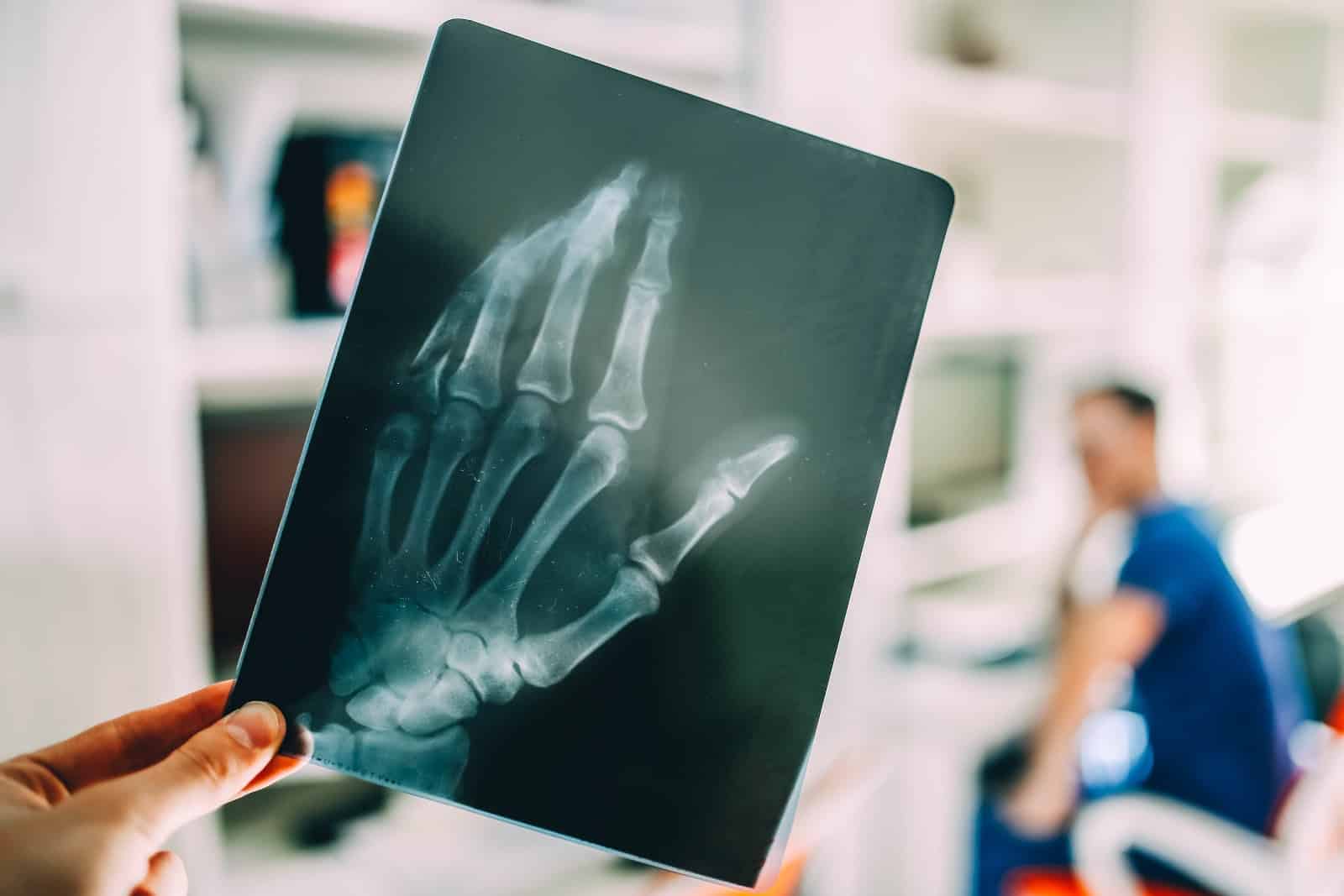
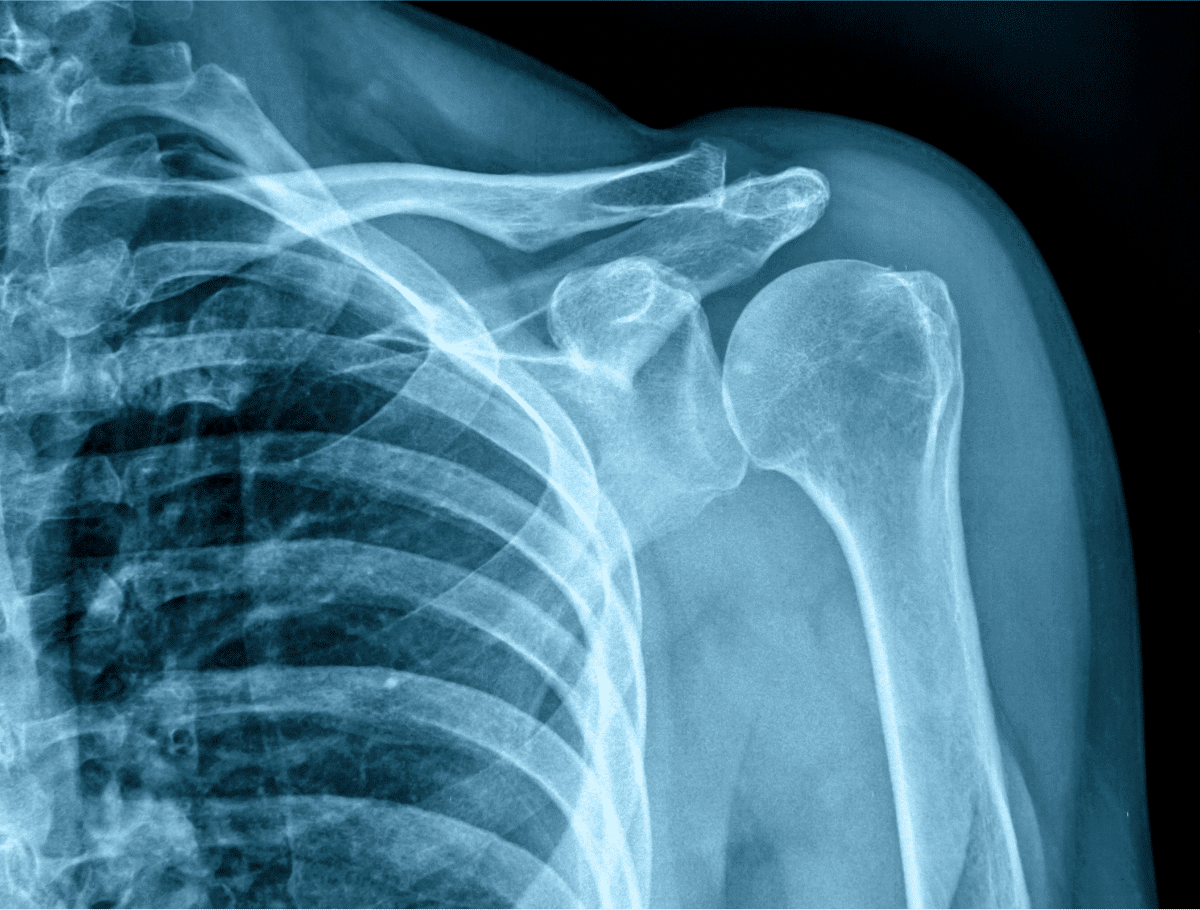
Take joint injuries, for example. A person may come in after a twist, fall, or sports-related movement expecting the scan to confirm a recent strain. But in some cases, imaging also shows signs of longer-term changes around the area, such as degeneration, instability, or patterns that suggest the joint has been under stress for a while.
The same thing happens with back pain. People often assume it is purely muscular, especially if it started after lifting something awkwardly or sleeping in a strange position. And sometimes it is. But sometimes imaging shows alignment changes, disc concerns, or other structural issues that help explain why the pain feels more persistent than expected.
That is where spine imaging becomes especially valuable. It can help identify what is new, what may have been there for a while, and what deserves follow-up beyond rest and time. Patients often feel relieved simply because the pain finally has context. It is easier to deal with discomfort when it is no longer a mystery.
Some findings have nothing to do with the original injury
This is where the conversation gets even more interesting. Sometimes imaging reveals something that has little or nothing to do with the reason the patient scheduled the visit in the first place.
For example, a scan may bring attention to concerns related to bone mineral density, especially in patients whose bones appear more fragile than expected for their age or history. A person might come in thinking they are just dealing with a minor injury, only to learn that their bones may need closer evaluation.
That kind of finding can naturally raise questions about fracture risk. If a small fall led to more pain than expected, or if an injury happened with very little force, providers may start looking more closely at whether bone health is part of the bigger picture. That does not mean something severe is automatically happening. It just means the body may be giving useful clues that should not be ignored.
And from there, the discussion may lead to concerns about osteoporosis, especially for adults who have never had their bone health formally evaluated. This is one of the clearest examples of how imaging can shift the conversation from treating one moment to understanding a long-term health issue that had gone unnoticed.

Imaging is not only about bones and joints
A lot of people still assume radiology is mostly about broken bones or obvious orthopedic problems. In reality, it can support many other kinds of evaluation depending on what symptoms, history, or findings are involved.
For instance, internal organ imaging may become relevant when pain or pressure in one area is not actually coming from muscles or joints at all. What feels like strain can sometimes reflect something deeper that requires a different kind of medical conversation. That is exactly why imaging matters. It helps rule things in, rule things out, and direct attention where it actually belongs.
The same broad usefulness applies to heart imaging, which may be recommended when symptoms, medical history, or incidental findings suggest that a closer look at cardiac structure or function would be helpful. Most patients do not start with that concern in mind, but sometimes imaging becomes the reason a provider catches something worth evaluating sooner.
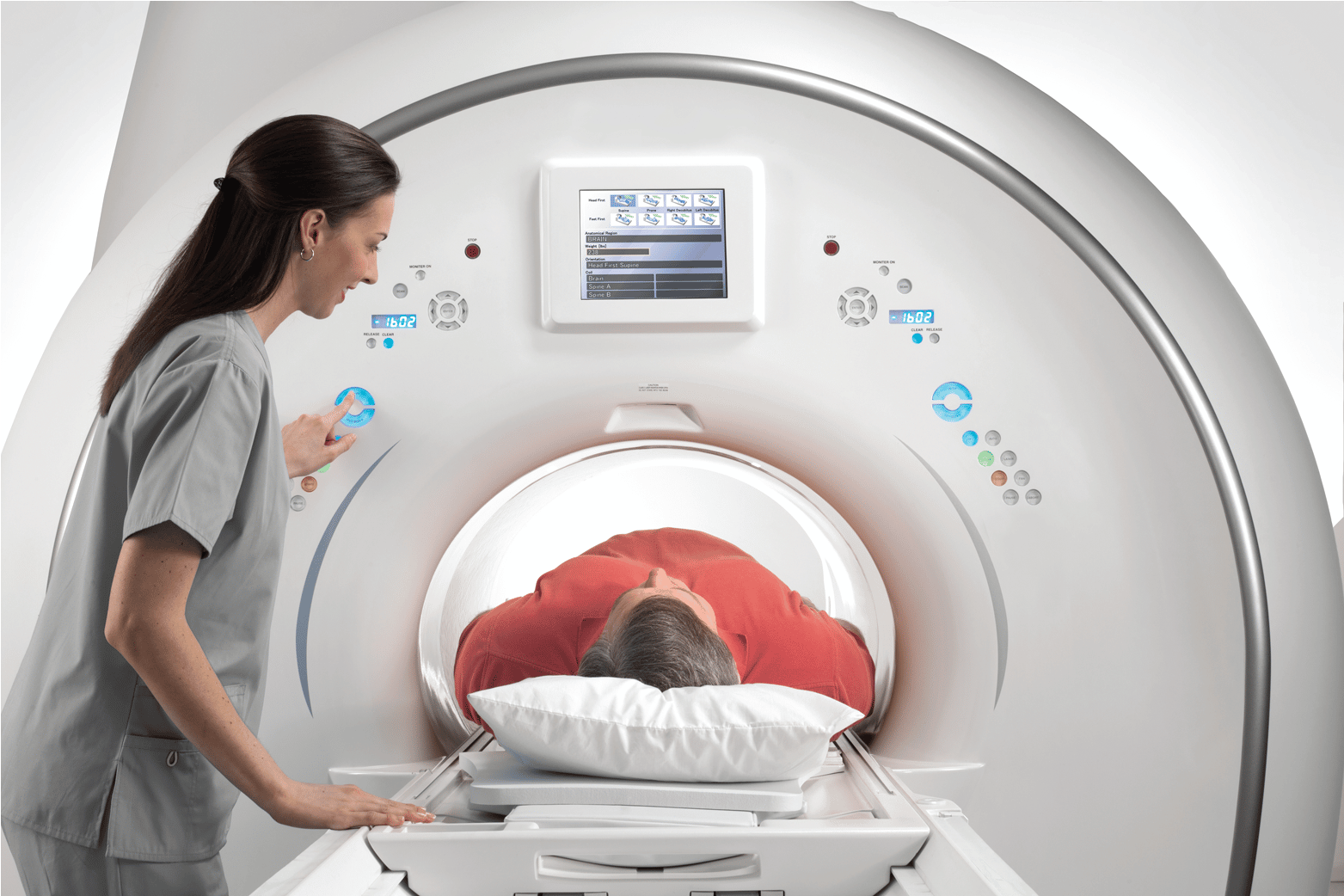
And then there are situations involving brain disorders, where imaging may support follow-up for neurological symptoms that did not initially seem connected to the original complaint. Again, it is not about assuming the worst. It is about recognizing that the body is interconnected, and sometimes one concern opens the door to understanding another.
Follow-up findings deserve calm attention
Not every unexpected result is severe, but many still deserve thoughtful follow-up. A patient may learn that a thyroid abnormality needs a closer look after a neck image or related evaluation picks up something subtle. That kind of discovery can feel surprising, especially if there were no obvious symptoms beforehand, but it is also a reminder of how useful timely imaging can be.
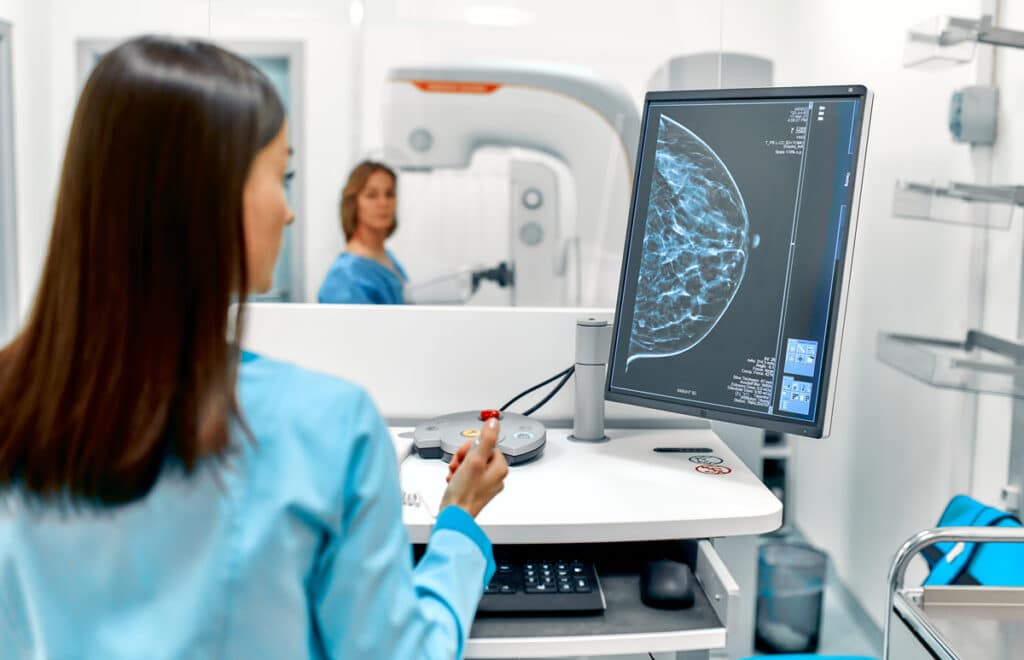
The same goes for a recommendation involving breast cyst aspiration, which may come up when a patient needs relief from discomfort or more clarity around a fluid-filled area that was not the original focus of concern. These are not the kinds of findings people typically anticipate when they book an appointment for an unrelated issue, yet they are exactly the kind of details that make imaging so valuable.
Unexpected does not always mean alarming. Often, it simply means the body was giving information in a quieter way than expected.
Why this matters more in 2026
Today’s patients want care that feels practical, connected, and easier to understand. They do not want to leave an appointment with vague answers or a sense that important details might have been missed. They want a clearer sense of what is happening, even if the final picture still takes time to develop.
That is why modern imaging matters so much right now. It supports more than the immediate reason for the visit. It helps reveal patterns that can shape future care in meaningful ways.
A broader imaging perspective can help with:
- identifying hidden contributors behind ongoing symptoms
- distinguishing recent injuries from older underlying changes
- uncovering risks that may affect future mobility or health
- supporting earlier follow-up for concerns that were not obvious before
- giving patients more complete information instead of partial answers
And honestly, that last point is what many people want most. Not perfection. Just a more complete understanding of what their body is trying to say.
Final Thoughts
Sometimes the most valuable part of an imaging visit is not the confirmation of the expected problem, but the discovery of something that needed attention all along. That does not have to feel scary. In many cases, it is actually helpful, because it gives patients a chance to address concerns earlier, ask better questions, and move forward with more clarity than they had before. When care feels more complete and less reactive, people are in a much better position to understand their health and make decisions with confidence.