If you have an imaging appointment coming up, it is completely normal to feel a little unsure about what to expect. Even people who have done it before sometimes have questions the second a new visit is scheduled. How long will it take? Will it be uncomfortable? Do you need to prepare in a special way? Should you avoid eating? What happens once you get there?
At Professional Radiology, one of the most common things patients want is not a long technical explanation. They just want the process to make sense. They want to know what the appointment will feel like, what they should do ahead of time, and how to walk in feeling a little more relaxed instead of tense and overthinking every detail.
That is what this guide is here to do. In 2026, patients are expecting healthcare to feel clearer, calmer, and more human. And honestly, that is a good thing. When people understand what is happening before an exam, the experience tends to feel much more manageable from beginning to end.
Why preparation makes such a difference
Most of the stress around imaging comes from uncertainty, not from the exam itself. A lot of people hear the phrase magnetic resonance imaging and immediately think of something overly clinical, intimidating, or hard to sit through. In reality, the process is often much simpler than patients imagine once it has been explained in everyday language.
Preparation matters because it takes some of the mystery out of the appointment. It helps you know what to bring, what to leave at home, what questions to ask, and how to mentally prepare for the visit. That alone can make a meaningful difference.
A little preparation can help with:
- reducing pre-appointment anxiety
- avoiding last-minute surprises
- making check-in feel smoother
- helping you feel more physically comfortable
- giving you a better sense of control during the visit
When people feel informed, they tend to feel steadier. And when they feel steadier, the whole appointment becomes easier to handle.
Start with the basics before your appointment
A good first step is reviewing any instructions you were given when the exam was scheduled. Some appointments are very straightforward, while others may come with specific directions depending on the area being evaluated. If anything feels unclear, ask before the day of the exam instead of guessing.
In general, patients should expect to think through a few basic details ahead of time:
- what time to arrive
- whether they need to avoid food or drinks
- whether jewelry or metal accessories should be removed
- whether they should wear simple, comfortable clothing
- whether they need someone to drive them home afterward
These details may sound small, but they help the day go more smoothly. The less rushed and uncertain you feel walking in, the better.
Comfort matters more than people think
One reason patients are feeling more at ease about imaging in 2026 is that the experience itself has become more patient-centered. It is no longer just about getting images. It is also about creating an environment that feels less overwhelming.
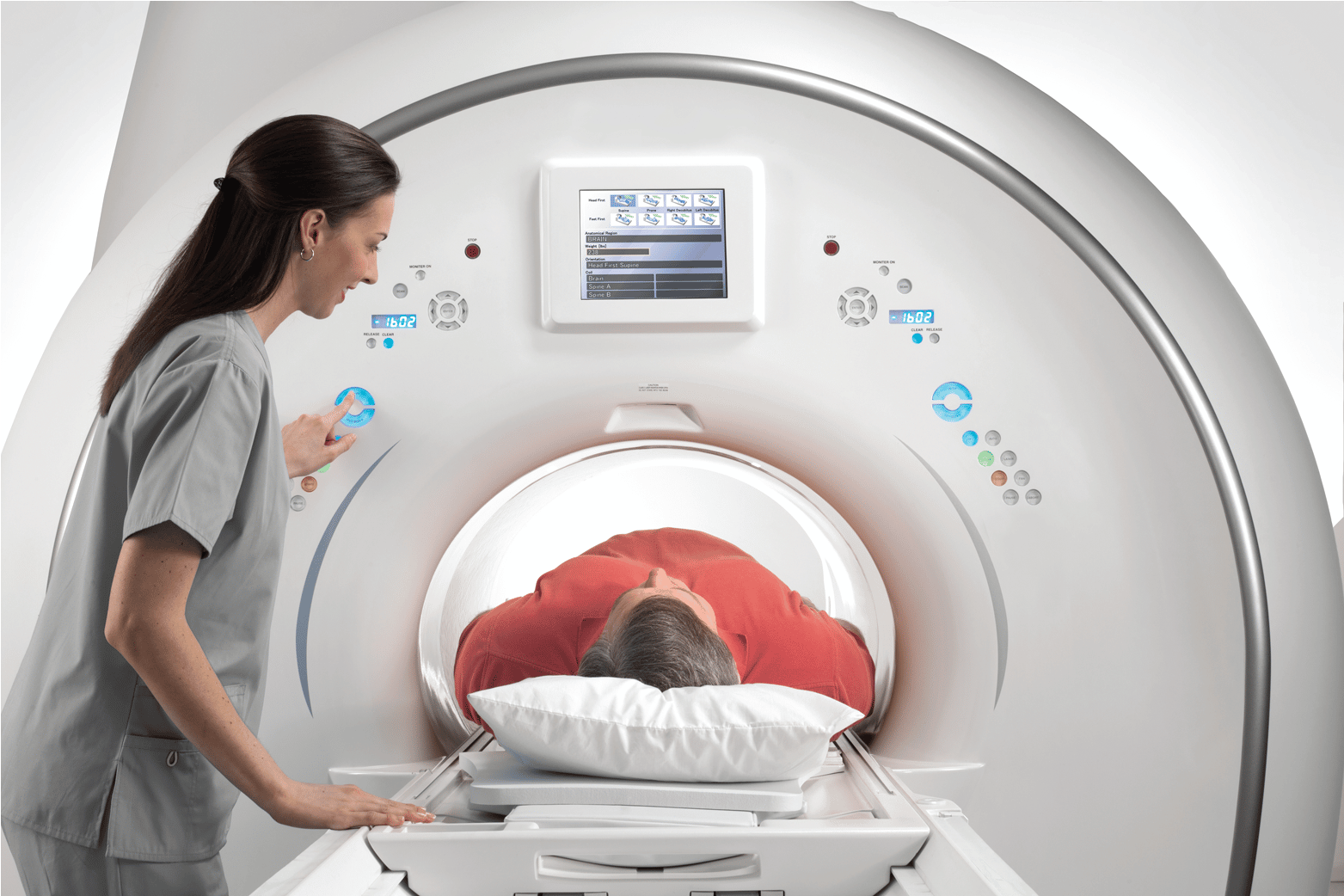
For example, many patients specifically ask about a wide-open MRI option because they want something that feels less enclosed. That question is especially common among people who have put off imaging in the past because they were worried about feeling trapped or too restricted during the scan.
Others are simply more comfortable hearing the term open MRI, because it sounds easier to handle from the start. That sense of openness can matter a lot, especially for patients who feel nervous in smaller spaces or who just want the experience to feel less intense.
Comfort is not a minor detail. It affects how people approach the exam emotionally. If a patient arrives already tense, the visit can feel longer than it is. If they arrive feeling informed and supported, the experience often feels much more manageable.

What the appointment day usually feels like
Most visits begin pretty simply. You arrive, check in, confirm your information, and review any final instructions. You may be asked about medical history, previous surgeries, implants, or anything metallic that could affect the exam. This part is routine and helps make sure the scan is done safely.
Once that is complete, the team will explain what comes next. Patients often feel better once they realize the appointment is structured and guided step by step. You are not expected to figure anything out on your own.
During the exam, you will usually be asked to stay as still as possible so the images come out clearly. Depending on the reason for the scan, the appointment may be shorter or longer than expected, but in most cases, knowing that ahead of time helps a lot.
Here are a few things many patients appreciate hearing before the scan begins:
- the team will let you know what to expect before starting
- you can usually ask questions before the exam begins
- staying calm and still helps the process go more smoothly
- the visit is temporary, even if it feels intimidating at first
- feeling nervous is common and nothing to feel embarrassed about
That last point matters. A lot of people think they are the only ones who feel anxious before imaging, but they are definitely not.
Understanding contrast versus non-contrast exams
One of the most common sources of confusion is whether the exam will involve contrast. Patients often hear the term without fully knowing what it means or why it may be used.
Some appointments are scheduled as MRI with contrast, which generally means a provider wants additional detail to better evaluate a specific area. In certain cases, contrast can help make particular structures or findings easier to assess. Patients do not need to memorize the technical side of it. They just need a simple explanation of why it was ordered.
Other appointments are done as MRI without contrast, which may be all that is needed based on the reason for the exam. This is why preparation should always include reading your instructions carefully and asking questions ahead of time if the order is not clear to you.
The main thing to remember is that one is not automatically better than the other. They simply serve different clinical purposes depending on what your provider needs to evaluate.
Practical tips to help you feel more prepared
Sometimes what patients need most is not more medical language. It is practical advice they can actually use. A few simple habits can make the day easier.
Try these before your appointment:
- choose comfortable clothes that are easy to change out of if needed
- leave extra jewelry and accessories at home
- arrive a little early so you do not feel rushed
- let the team know if you are feeling anxious
- review your instructions the night before
- bring any paperwork or identification you were asked to provide
It also helps to go into the appointment with realistic expectations. You do not need to pretend you are totally relaxed. You just need to know what is happening and trust that the process is there to help move your care forward.
Why this matters for patients in 2026
People want medical care to feel less intimidating than it used to. They want clarity, not confusion. They want explanations that sound natural. They want the process to feel organized without feeling cold.
That shift is especially important with imaging because so much of the anxiety starts before the appointment even begins. Once people understand the process, most of the fear becomes much more manageable. The unknown is often the hardest part.
That is why preparation is not just a practical step. It is part of the patient experience itself. It turns a visit that feels intimidating into one that feels doable. And that alone can make a huge difference.
Final Thoughts
Walking into an imaging appointment feels a lot easier when you know what is coming. A little preparation can go a long way in helping you feel calmer, more comfortable, and less caught off guard by the process. The goal is not to make the visit feel perfect. It is to make it feel understandable. When patients have clear expectations and a more supportive experience, the whole appointment becomes less stressful and much easier to navigate.