For a long time, a lot of people thought of imaging as something that only happened when a problem had already become serious. You felt pain for weeks, ignored a symptom for too long, or got to the point where your doctor needed to rule out something major. Then imaging entered the picture. But in 2026, that mindset is changing in a very real way.
More patients are starting to see imaging as a practical next step, not an alarming one. It is becoming part of how people stay informed, follow up on concerns earlier, and avoid sitting in uncertainty longer than necessary. That shift matters because everyday health concerns do not always start with dramatic symptoms. Sometimes it is a lump that needs a closer look. Sometimes it is persistent discomfort. Sometimes it is simply a screening that should not be pushed off again.
At Professional Radiology El Paso, this more proactive mindset reflects how patients actually live now. People are busy. They are balancing work, family, appointments, and the usual chaos of everyday life. They do not want to wait until a concern becomes bigger, more stressful, and harder to understand. They want answers sooner, clearer direction, and a process that feels manageable.
That is exactly why preventive imaging is becoming more relevant. It fits into real life. It supports better conversations between patients and providers. And maybe most importantly, it helps turn “I should probably look into this” into a real next step instead of one more thing left hanging in the background.
Preventive care is becoming more practical
The word “preventive” can sometimes sound abstract, like something people talk about in theory but do not always apply in real life. But when it comes to imaging, preventive care is often surprisingly practical. It is not always about looking for worst-case scenarios. A lot of the time, it is simply about getting more information before a concern drags on, gets ignored, or becomes more emotionally exhausting than it needs to be.
That is why imaging now plays a larger role in everyday care. Patients are more likely to follow through when something feels off, even if the symptom seems minor at first. Providers are also more focused on catching patterns early, especially when there is a family history, an unclear physical finding, or a screening recommendation that should not be delayed.
This more proactive approach can help with:
- following up on subtle symptoms before they get worse
- staying current with age-based screenings
- checking an area that feels different or unusual
- reducing uncertainty after a routine exam
- supporting earlier conversations about treatment or next steps
The important thing is that imaging is no longer seen only as a last resort. It is increasingly viewed as a reasonable, responsible step in taking care of your health.
Everyday concerns deserve more attention than people give them
One of the biggest reasons preventive imaging matters is that many health concerns begin in quiet, easily dismissed ways. A little swelling. A feeling that something has changed. A symptom that comes and goes. A screening that gets postponed because life gets busy. None of this sounds dramatic in the moment, which is exactly why so many people push it aside.
But small concerns are often where better healthcare starts. They are the moments when a closer look can provide reassurance, clarify what needs follow-up, or help a provider determine that something deserves more attention than originally expected.
For example, ultrasound often becomes part of that process because it is commonly used when a provider wants a closer view of soft tissue or a specific area of concern. It tends to feel approachable for patients because the exam is familiar, straightforward, and tied to practical questions rather than fear-driven assumptions.
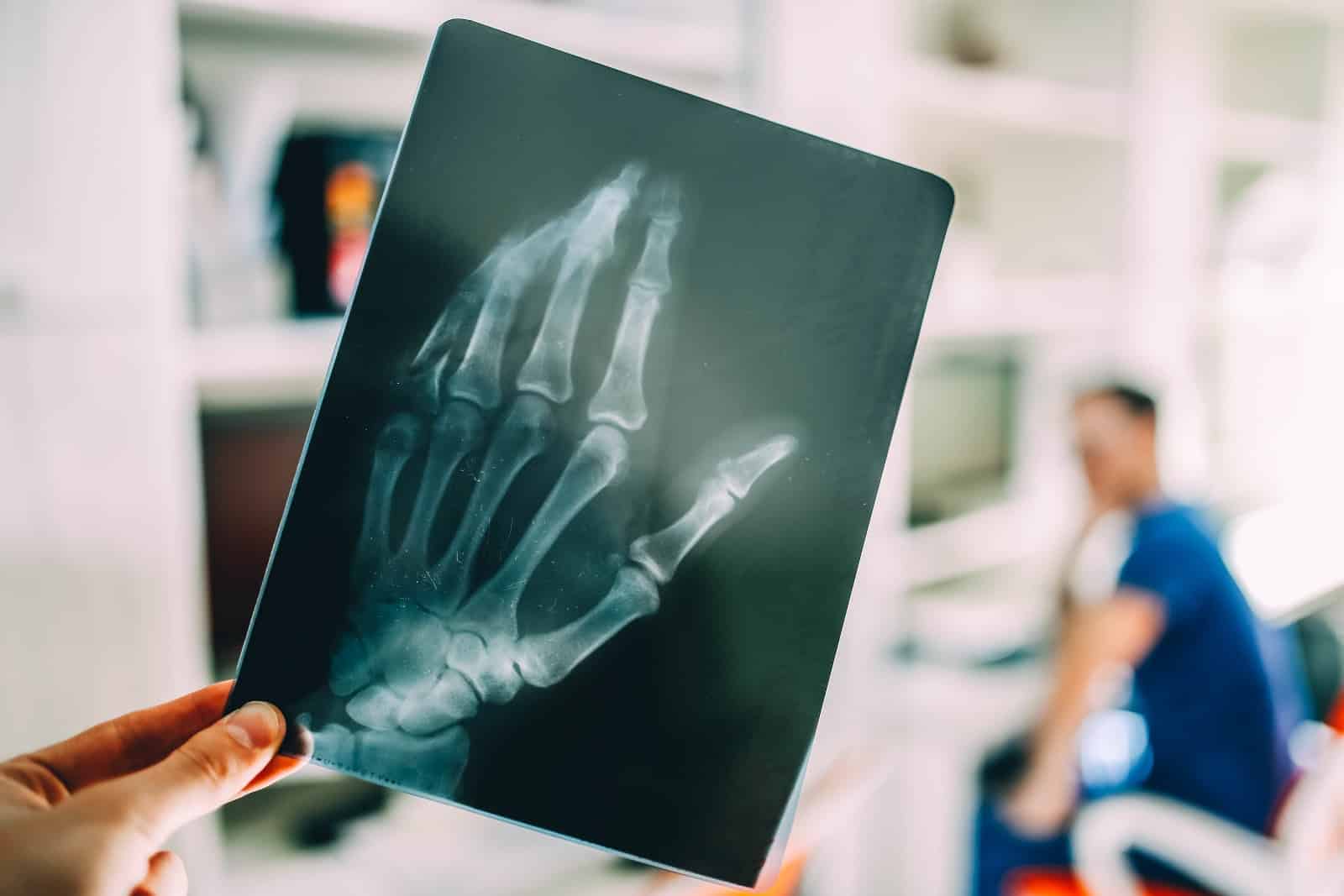
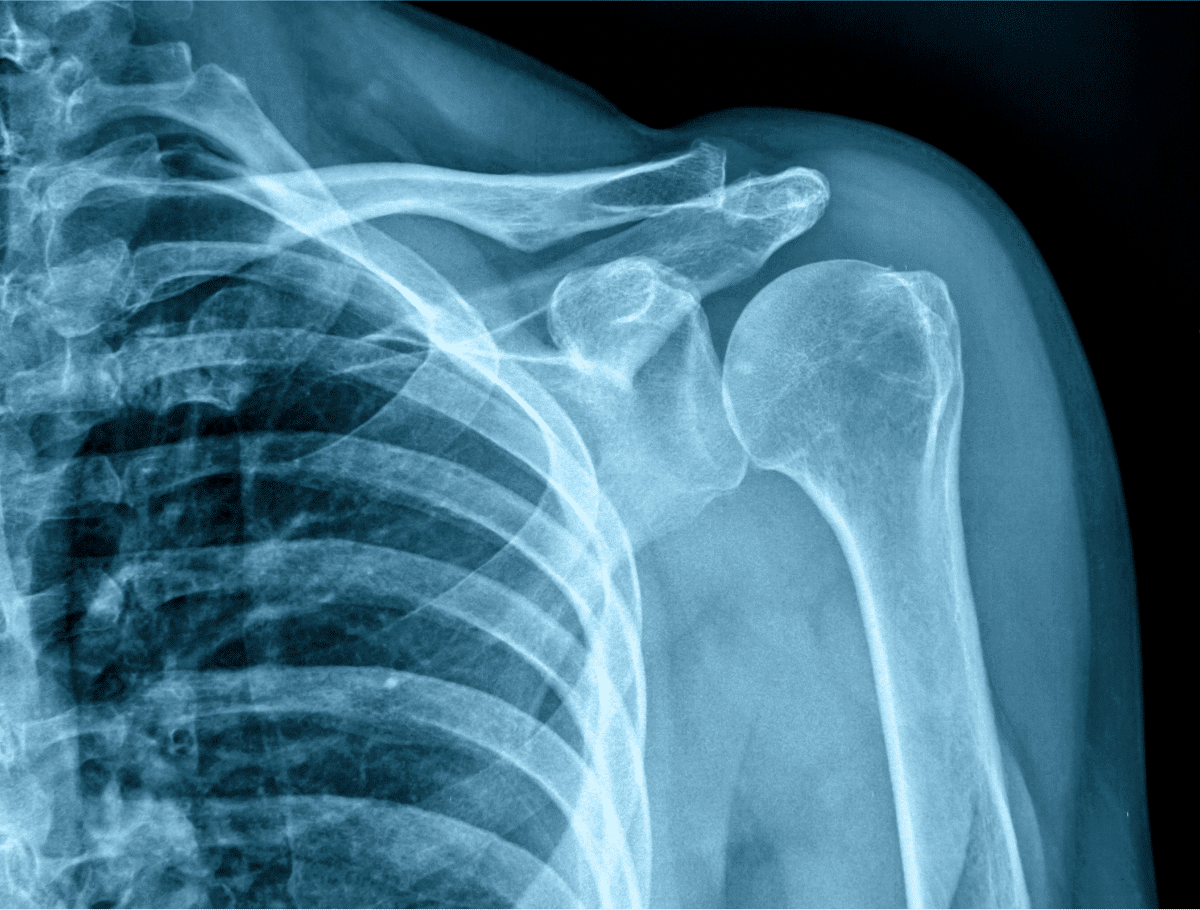
The same goes for digital X-ray, which may be recommended when a provider needs a quick look at structure, alignment, or changes that are easier to assess through basic imaging. Even though it is often viewed as routine, it still plays an important role in helping providers decide what comes next.

Screening should feel normal, not optional
Preventive care works best when people stop treating routine screening like something they will “get around to eventually.” That mindset is shifting, especially as patients become more aware of how much easier it is to deal with concerns earlier rather than later.
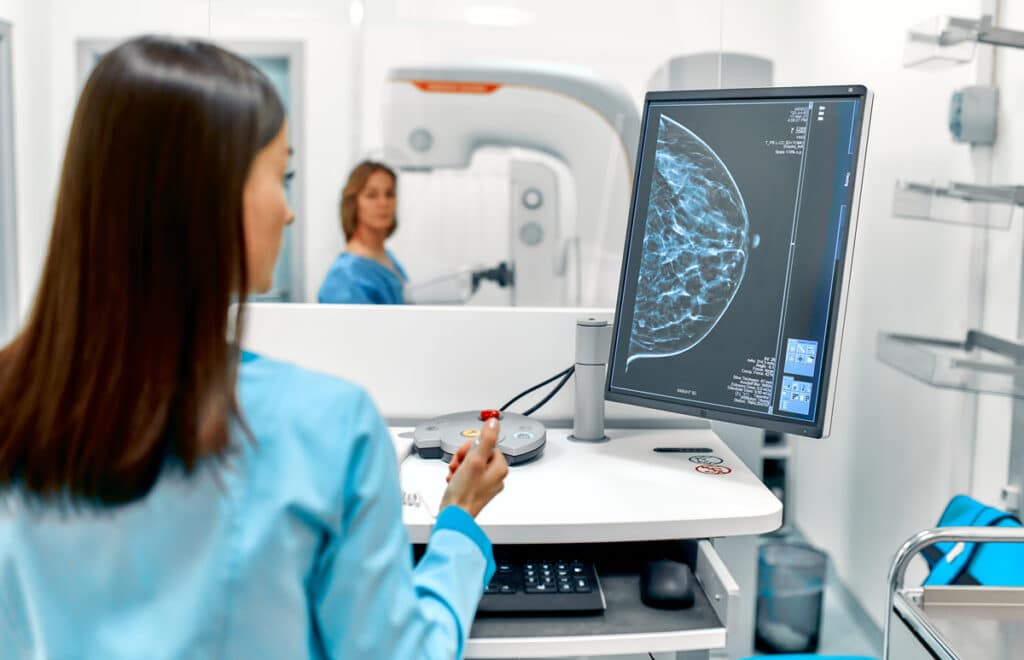
That is one reason mammography continues to be such an important part of preventive care. For many women, it is one of the clearest examples of how imaging supports health before a problem becomes obvious in everyday life. It is not about panic. It is about paying attention.
In 2026, many patients are also more familiar with 3D mammography, especially because conversations around screening have become more detailed and more patient-friendly. People want to understand not just when they should schedule a screening, but why it matters and how newer approaches can support a more complete evaluation.
That broader conversation naturally connects to breast imaging, which often includes more than one type of exam depending on the reason for the visit. A routine screening, a follow-up concern, and a more focused evaluation are not all the same thing. And patients are increasingly aware that personalized care often means taking a closer look instead of relying on one general approach for every situation.
Preventive imaging is also about what happens after a finding
A lot of people assume preventive care ends once the initial image is done, but that is not really how it works. Often, the most important part is what happens after a finding appears and someone needs more clarity.
This is where additional imaging and procedures can make the process feel less uncertain and more organized. Instead of waiting and worrying, patients can move toward more specific answers.
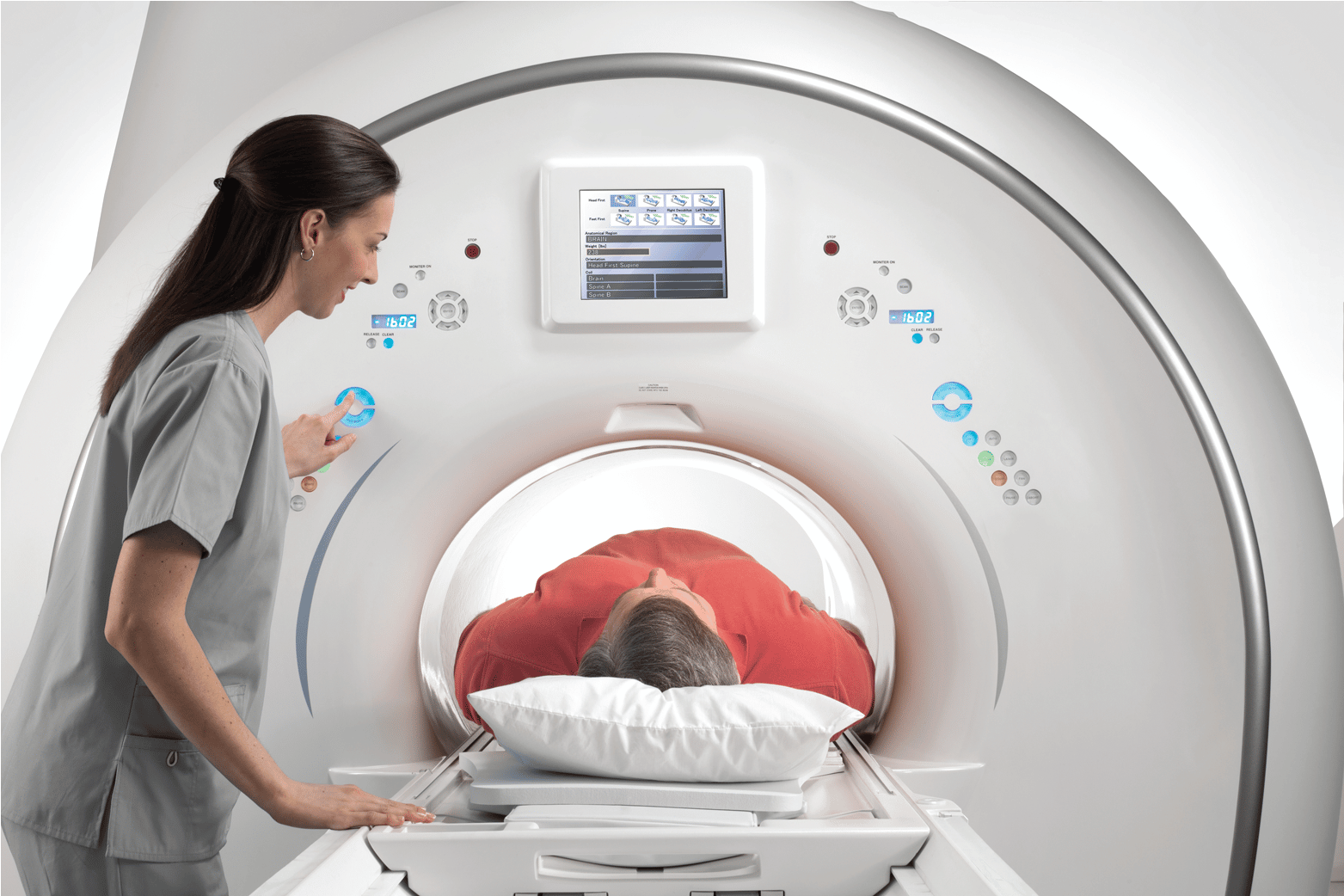
For example, CT scans may be part of the next step when a provider needs a more detailed look at certain structures inside the body. The more formal term, computed tomography scans, may show up in referrals or reports, but what matters to most patients is simple: the provider wants a clearer picture to guide the next decision.
When a finding needs more focused evaluation, some patients may be referred for biopsies. That word can sound intimidating, mostly because people associate it with stress before they understand the reason behind it. But in many cases, this is simply the step that helps replace uncertainty with actual information.
Other situations may involve aspirations, especially when fluid or a specific area needs to be sampled or relieved. These types of follow-up procedures are part of what makes preventive care more actionable. They help move the process forward instead of leaving patients stuck in a vague “watch and wait” stage.
The value of targeted follow-up
Sometimes the most useful thing imaging does is help narrow the focus. Once a provider identifies an area that needs more attention, the next step becomes more specific, and that can be incredibly reassuring even if the patient is still nervous.
A good example is fine-needle aspiration, which may be recommended when a minimally invasive sample is needed to better understand a lump or suspicious area. It often sounds more overwhelming than it actually is, especially before a patient has had a chance to hear a straightforward explanation.
The same is true for a thyroid biopsy, which may be used when a nodule or abnormal finding in the neck needs closer evaluation. Patients often feel better once they understand that the purpose is clarity, not panic. Getting more information is almost always better than sitting with unanswered questions.
Likewise, a breast biopsy can be an important next step after a screening or focused exam shows something that should be evaluated more carefully. It is normal for that recommendation to feel emotionally heavy, but it is also a reminder that preventive imaging is doing its job. It is helping providers identify what needs a closer look and helping patients move toward real answers.
Why this matters more in 2026
The healthcare experience is changing because patients are changing. People want care that feels more responsive, more understandable, and less reactive. They do not want to be told to wait until something becomes impossible to ignore. They want a smarter approach earlier in the process.
That is why preventive imaging is becoming such an important part of everyday health conversations. It supports a mindset that is more informed and less avoidant. It helps people feel like they are doing something useful rather than just worrying in the background.
There are a few reasons this approach continues to matter:
- it encourages patients to act on concerns sooner
- it supports routine screenings that are easy to postpone
- it helps providers evaluate changes before they become harder to manage
- it creates a clearer path from concern to follow-up
- it makes healthcare feel more proactive and less overwhelming
And honestly, that last point matters a lot. When care feels more practical and less frightening, people are much more likely to follow through.
Final Thoughts
Imaging does not have to represent a worst-case scenario. More often, it is simply a smart next move when something needs a closer look, a clearer explanation, or a more confident follow-up plan. That is what makes preventive care feel more useful in everyday life. It meets people where they are, helps reduce uncertainty, and turns vague concerns into something more manageable. In a time when patients want healthcare to feel clearer and more human, that kind of support matters more than ever.