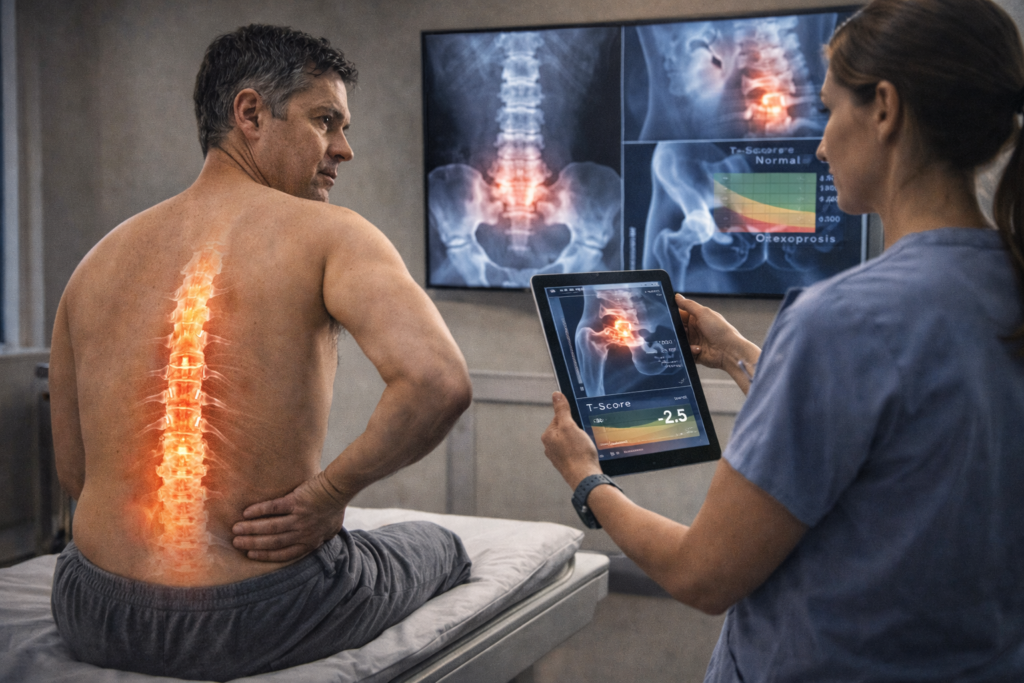
When most people think about medical imaging, they usually picture one specific issue, one test, and one answer. But real life rarely works that neatly. A person may walk into an appointment because of lingering soreness, a recent injury, or a concern their doctor wants to check more closely, and by the end of the visit, they may have a much clearer view of what is happening in more than one part of the body.
That is what makes a modern imaging visit so valuable in 2026. It is not just about confirming a single problem. It is about getting useful information that helps connect symptoms, risk factors, and next steps in a way that feels practical and grounded. At Professional Radiology, that bigger-picture approach matters because patients are not coming in as isolated cases. They are coming in with questions, routines, worries, and real-life responsibilities. They want answers that help them move forward.
A lot of people also underestimate how broad the role of imaging has become. One visit can support everything from injury assessment to preventive screening to follow-up evaluation. That matters because health concerns are often connected. Someone dealing with pain may also need a better understanding of structural changes, mobility limitations, or long-term risks that have gone unnoticed for years.
One visit can reveal more than people expect
Many patients schedule imaging because something feels “off,” but they do not always know what that means yet. Maybe the issue started gradually. Maybe it followed a fall, strain, or awkward movement. Maybe the discomfort has been brushed aside for months because life got busy. Then suddenly it becomes harder to ignore.
That is where a radiology center can make a real difference. Imaging helps turn vague concerns into clearer information. Instead of relying only on symptoms, providers get a better look at what may be happening inside the body and can make decisions based on something more concrete.
This is one reason comprehensive imaging continues to matter so much. It gives doctors and patients a chance to move from uncertainty to direction, which is often the most important first step.
Looking beyond pain alone
Take back pain, for example. It is one of the most common reasons people seek medical evaluation, but it can come from a wide range of causes. For one person, it might be related to posture, strain, or wear and tear. For another, it could involve disc changes, nerve compression, or another structural issue that needs a closer look. Without imaging, those differences are not always obvious.
That is why spine imaging remains such an important part of evaluation when symptoms persist or become disruptive. It can help providers understand whether the issue appears muscular, skeletal, degenerative, or something that deserves more focused follow-up. Patients do not necessarily need dramatic explanations. They just want to know what might be contributing to their discomfort and what comes next.
This matters not only for people with long-term pain, but also for those who have had sudden symptoms that interrupt everyday life. When discomfort starts affecting sleep, work, driving, exercise, or even basic movement, clear information becomes a lot more valuable than guesswork.
Imaging is useful for active people too
Not every imaging appointment is about chronic issues. Many patients come in because of sprains, overuse, falls, or sports-related problems. In those situations, the question is often simple: how serious is this, really?
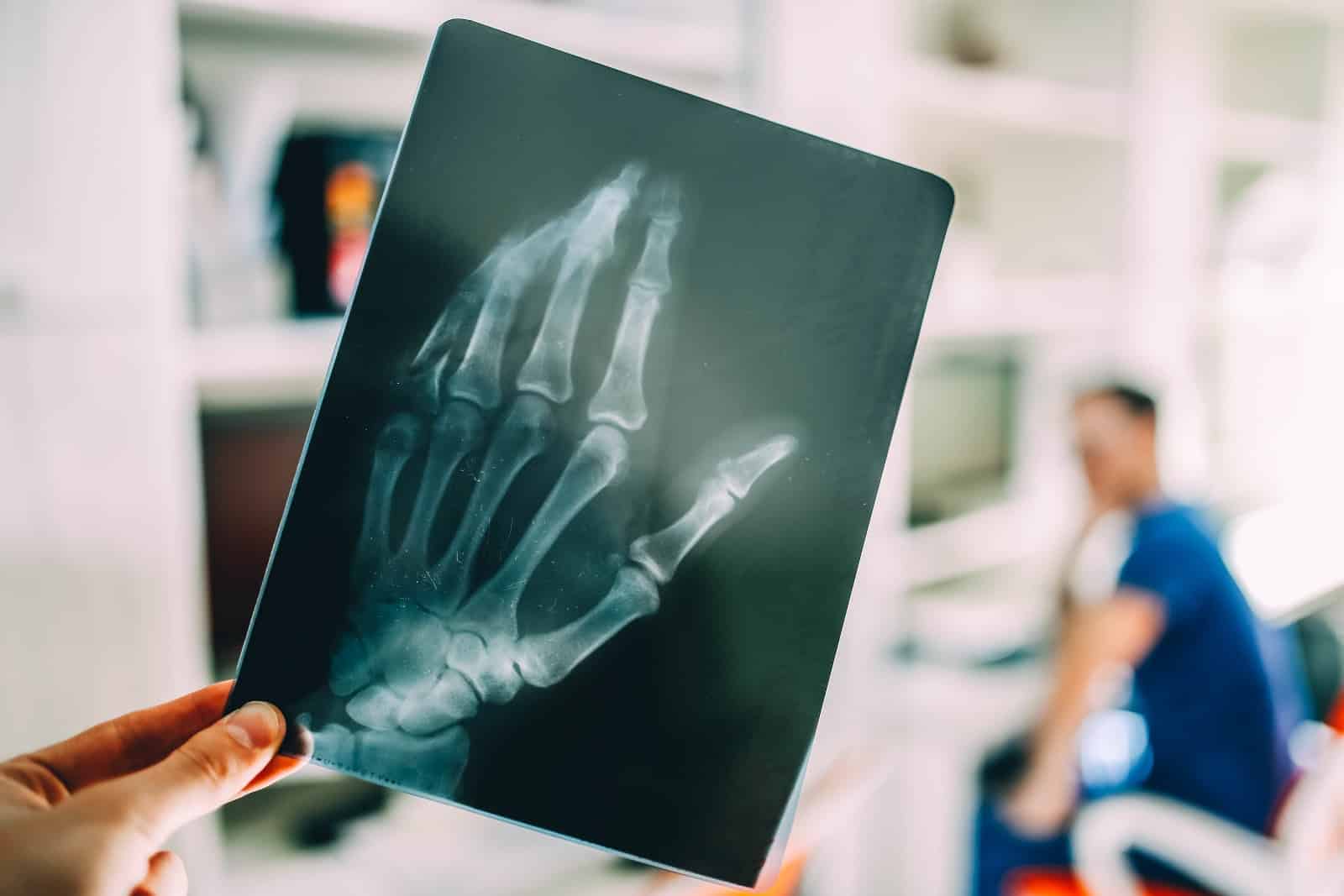
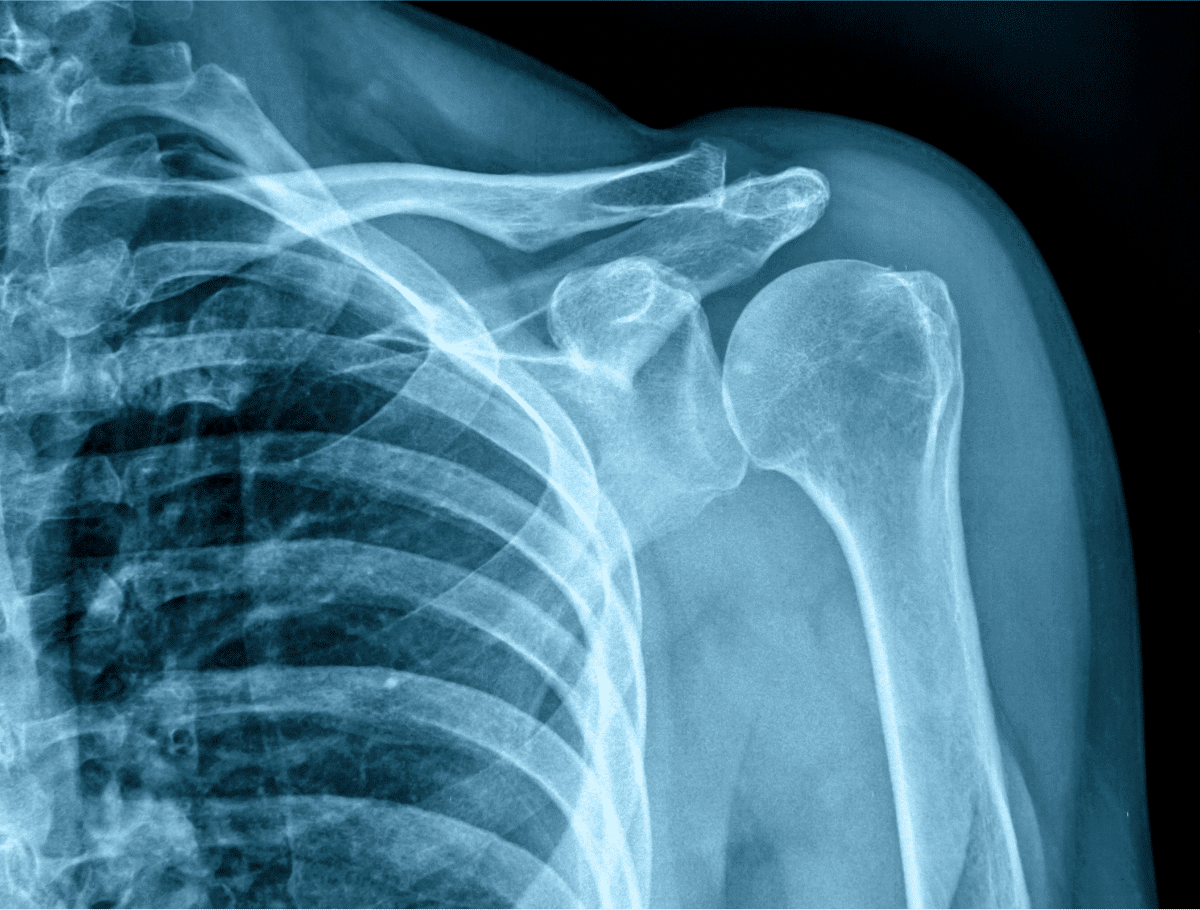
That is where imaging helps with joint injuries. Knees, shoulders, hips, wrists, and ankles can all be affected by damage that is hard to fully assess from the outside. Pain, swelling, and reduced mobility can tell part of the story, but not always the whole thing. A closer look may help determine whether the issue involves soft tissue, alignment, inflammation, or a more significant structural problem.
This kind of clarity matters because people want to recover intelligently. They do not want to overreact, but they also do not want to keep pushing through something that could worsen without proper attention.
Bone health often enters the conversation later than it should
One of the more important shifts in 2026 is that imaging is increasingly part of preventive care, not just reactive care. That is especially true when it comes to long-term skeletal health.
A lot of adults do not think much about bone mineral density until a doctor brings it up after a certain age, a fracture, or a change in health status. But understanding bone strength earlier can be incredibly helpful, especially for people with family history, hormonal changes, nutritional concerns, or previous injuries.
This ties directly into conversations about fracture risk, which many people only begin to take seriously after something unexpected happens. A minor slip, a simple misstep, or a low-impact fall should not necessarily lead to a major injury, but for some patients, it can. Imaging helps identify whether bone health may be contributing to that vulnerability.
And of course, concerns about osteoporosis are part of that same discussion. Patients are much better served when they understand these issues before a serious injury forces the conversation. Knowing where things stand allows for more informed decisions about prevention, treatment, and lifestyle adjustments.
Modern imaging goes far beyond bones
A lot of people still associate radiology only with skeleton-related problems, but that is only one part of the picture. In reality, imaging can help evaluate multiple body systems depending on the symptoms and the reason for referral.
For example, internal organ imaging can provide useful insight when a patient has abdominal discomfort, unexplained swelling, or other symptoms that need more context. These evaluations are often less dramatic than people imagine. Most of the time, the goal is simply to gather better information and help narrow down possible causes.
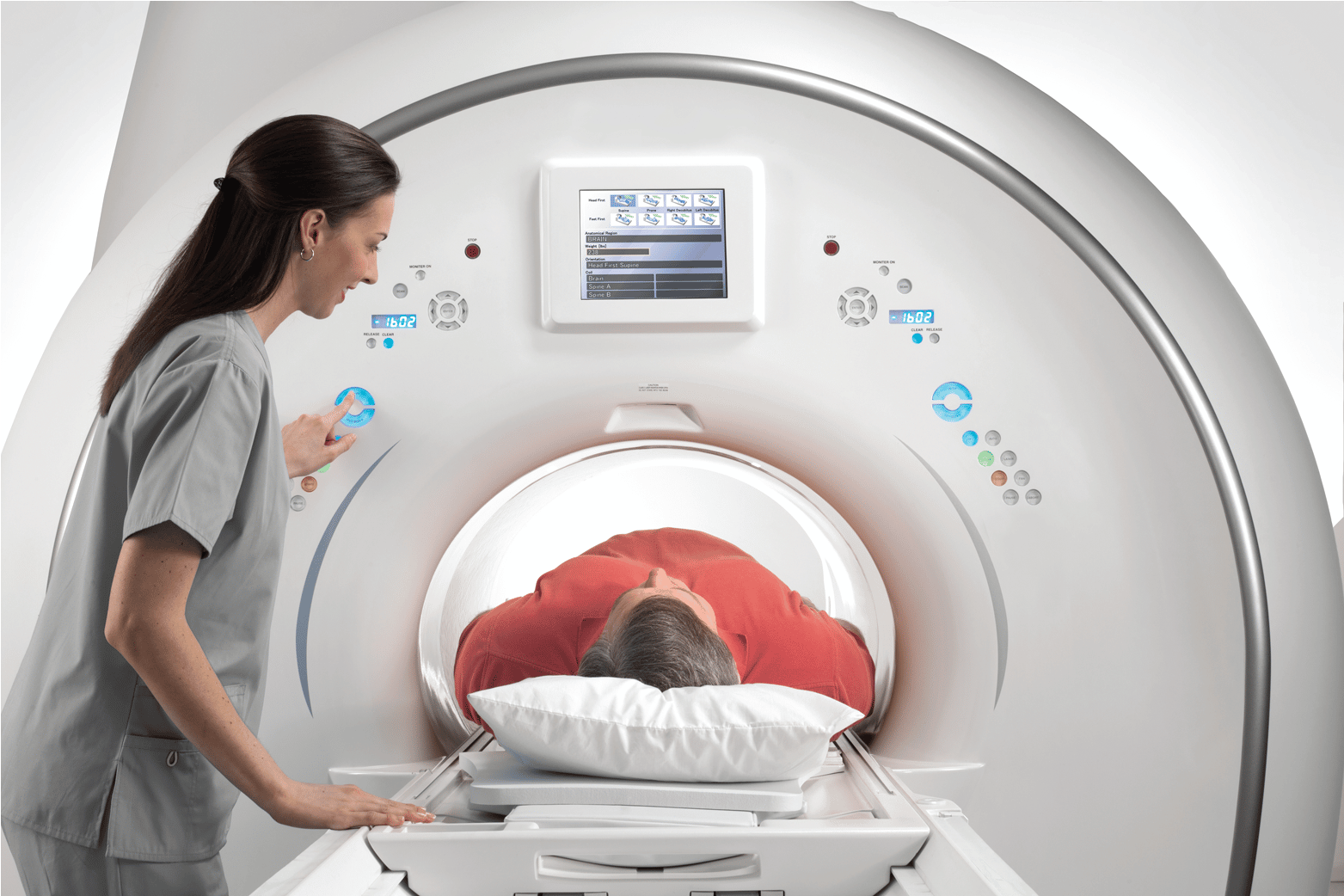
The same broad value applies in more specialized areas. Heart imaging may be recommended when providers need a closer look at cardiac structure or function, especially if symptoms or history suggest that more detail would be helpful. On another end of the spectrum, brain disorders may require imaging support when neurological symptoms, chronic headaches, cognitive changes, or other concerns need further evaluation.
That range is exactly why one imaging visit can be so revealing. It is not about doing everything at once. It is about having the ability to look carefully at the area that matters and support a smarter next step.
Small findings still deserve serious attention
Sometimes patients come in not because of pain, but because of something noticed during a routine exam or follow-up. These situations can feel less urgent on the surface, but they still deserve a thoughtful approach.
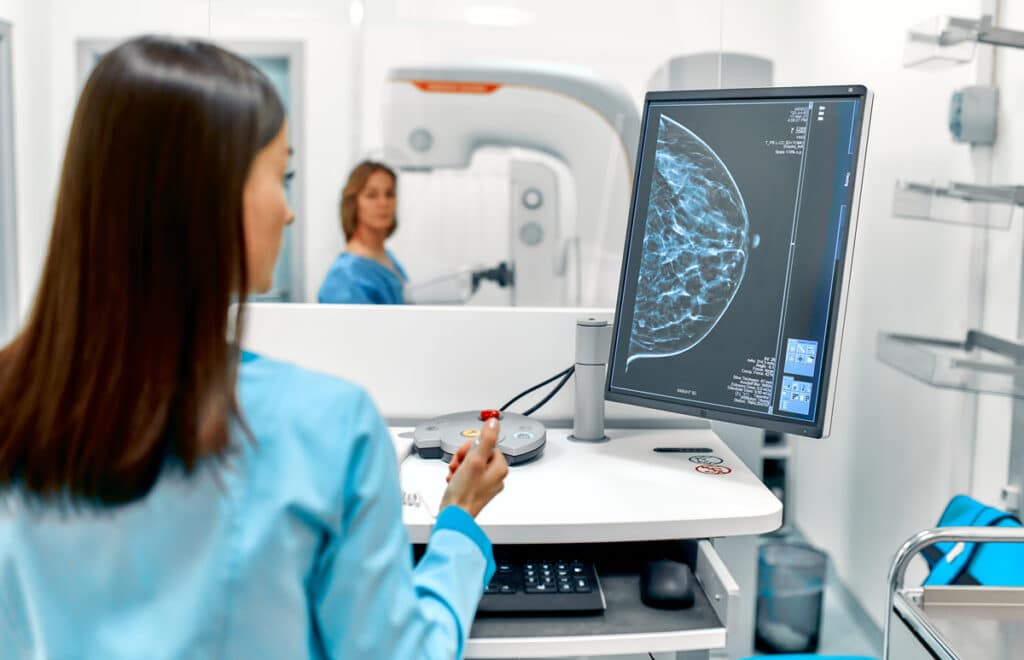
A provider may request evaluation for a thyroid abnormality after feeling a nodule or seeing something on a previous study. In another case, a person may need a breast cyst aspiration to relieve discomfort or better understand a fluid-filled finding. Neither situation should automatically trigger panic, but both are good examples of why timely imaging matters. When something changes or stands out, people deserve clearer information rather than endless waiting and wondering.
This kind of follow-up is one of the most practical benefits of modern radiology. It helps turn “we should keep an eye on this” into a more informed, organized plan.
Why this matters for patients in 2026
Today’s patients expect healthcare to be more connected, less confusing, and more responsive to what they are actually experiencing. That includes imaging. They want a process that feels useful, not overwhelming.
Here is why this kind of visit matters so much right now:
- It can support both symptom-based evaluation and preventive care.
- It helps providers make decisions with better information.
- It gives patients a clearer understanding of what may be happening.
- It reduces the guesswork that often adds stress to a health concern.
- It makes follow-up conversations more productive and specific.
For many people in El Paso radiology care settings, that practical clarity is exactly what they are looking for. They do not want overly technical explanations or vague reassurance. They want to know what the images show, what that might mean, and what reasonable next steps look like.
Final Thoughts
A single imaging visit can do more than confirm a complaint. It can create context, uncover issues that were not obvious before, and help patients feel less stuck in uncertainty. That is a big deal, especially when health concerns affect daily life in quiet but frustrating ways. The more care feels clear, timely, and human, the easier it becomes for people to stay engaged and make confident decisions about what comes next.