An MRI is one of the most useful diagnostic imaging tests for examining soft tissues, joints, organs, the brain, spine, and other areas of the body. If your doctor has scheduled you for an MRI scan, knowing how to prepare can make the experience easier and help ensure your images are as clear and accurate as possible.
MRI preparation can vary depending on the part of the body being examined and whether your test requires contrast. However, there are several important steps that most patients should follow before arriving at an MRI center.
This guide explains how to prepare for an MRI, what to wear, whether you can eat before an MRI, what items you should leave at home, and what to expect during your appointment.
What Is an MRI?
MRI stands for magnetic resonance imaging. An MRI scan uses a powerful magnetic field and radio waves to create detailed images of structures inside the body.
Unlike X-rays and CT scans, MRI imaging does not use ionizing radiation. It is commonly used to evaluate the brain, spine, muscles, ligaments, joints, internal organs, blood vessels, and other soft tissues.
Doctors may recommend an MRI to investigate symptoms, monitor an existing condition, evaluate an injury, or obtain additional information after another diagnostic imaging test.
How to Prepare for an MRI
Preparing for an MRI is usually simple, but it is important to follow any instructions provided by your radiology center.
Your preparation may depend on the type of MRI being performed, whether contrast material will be used, and your medical history.
Before your MRI appointment, make sure you understand whether you need to avoid food, bring medical records, remove certain items, or arrive early for screening.
Tell the Imaging Center About Medical Devices or Implants
One of the most important parts of MRI preparation is informing the radiology team about any medical devices, implants, or metal inside your body.
Because MRI machines use a strong magnetic field, certain devices may require additional safety screening.
Tell your MRI technologist if you have or have ever had:
- A pacemaker or implanted heart device
- Cochlear implants
- Aneurysm clips
- Insulin pumps
- Neurostimulators
- Metal plates, screws, pins, or joint replacements
- Implanted medication pumps
- Artificial heart valves
- Metal fragments or shrapnel
- Previous surgery involving implanted medical devices
Many modern implants are MRI-compatible, but your imaging team still needs to know about them before your exam.
If you have documentation or an identification card for an implanted medical device, bring it with you to your MRI appointment.
Remove Metal Before Your MRI Scan
Because MRI uses a powerful magnet, you will normally be asked to remove metallic objects before entering the MRI room.
Items that should typically be removed include:
- Jewelry
- Watches
- Earrings
- Necklaces
- Rings
- Hairpins
- Eyeglasses
- Hearing aids
- Removable dental appliances
- Keys
- Coins
- Wallets
- Cell phones
- Credit cards
You may also need to remove clothing containing metal zippers, buttons, snaps, or underwire.
Leaving unnecessary jewelry and valuables at home can make your appointment easier.
What Should You Wear to an MRI?
Wear comfortable, loose-fitting clothing without metal whenever possible.
Some imaging centers may ask you to change into a medical gown regardless of what you wear. This helps ensure that no metal or metallic fibers enter the MRI room.
Avoid clothing with:
- Metal zippers
- Hooks
- Snaps
- Decorative metal pieces
- Underwire
- Metallic fibers
Athletic clothing, sweatpants, and simple shirts are often convenient options, although your imaging center’s instructions should always take priority.
Can You Eat Before an MRI?
Whether you can eat before an MRI depends on the type of MRI you are having.
For many MRI scans, patients can eat and drink normally before their appointment. However, certain abdominal MRI exams, pelvic MRI studies, or MRI scans performed with sedation may require fasting.
You may be instructed not to eat for several hours before the procedure.
Always follow the specific MRI preparation instructions provided by your imaging center. If you are unsure whether you can eat before your MRI, contact the facility before your appointment.
Can You Drink Water Before an MRI?
In many cases, drinking water before an MRI is allowed.
Some examinations may even require you to drink water or arrive with a full bladder, depending on the area being evaluated.
Other MRI procedures may have restrictions.
Your radiology center will provide instructions based on the type of MRI scan ordered by your doctor.
What If Your MRI Requires Contrast?
Some MRI scans use a contrast agent to help certain tissues, organs, blood vessels, or abnormalities appear more clearly.
MRI contrast is commonly administered through an IV before or during the exam.
Before receiving MRI contrast, tell your imaging team if you have:
- Kidney disease
- Previous reactions to contrast material
- Serious medical conditions
- Allergies
- A history of kidney problems
Your doctor or radiology team may determine whether additional testing is needed before administering contrast.
Take Your Regular Medications Unless Told Otherwise
Most patients can continue taking their regular medications before an MRI scan.
However, certain exams or medical conditions may require special instructions.
Do not stop taking prescription medications unless your doctor or imaging provider specifically tells you to do so.
If you take several medications, consider bringing a current medication list to your appointment.
Tell the Radiology Team If You Are Pregnant
If you are pregnant, think you may be pregnant, or are unsure, tell your healthcare provider and MRI technologist before your scan.
MRI does not use ionizing radiation, but pregnancy should still be discussed with your medical team before diagnostic imaging.
If MRI contrast is being considered, your doctor will determine whether it is appropriate based on your individual situation.
What If You Are Claustrophobic?
Some patients feel anxious about being inside an MRI machine.
If you have claustrophobia or have experienced anxiety during previous MRI scans, tell the imaging center before your appointment.
Depending on your situation, there may be options to help you remain comfortable during the procedure.
Knowing what to expect can also reduce anxiety. During the MRI, you will usually be able to communicate with the technologist throughout the examination.
Arrive Early for Your MRI Appointment
Arriving approximately 15 to 30 minutes before your scheduled MRI can give you enough time to complete paperwork and safety screening.
Your imaging center may ask questions about:
- Medical implants
- Previous surgeries
- Metal exposure
- Pregnancy
- Allergies
- Kidney conditions
- Previous imaging procedures
Providing accurate information helps the radiology team perform your MRI safely.
Bring Your Doctor’s Order and Relevant Information
Depending on the imaging center, you may need to bring documentation related to your appointment.
Helpful items may include:
- Your physician’s MRI order
- Identification
- Insurance information
- Previous imaging reports
- Previous MRI, CT scan, or X-ray results
- Implant identification cards
- A current medication list
Contact the radiology center before your appointment if you are unsure what documents are required.
What Happens During an MRI?
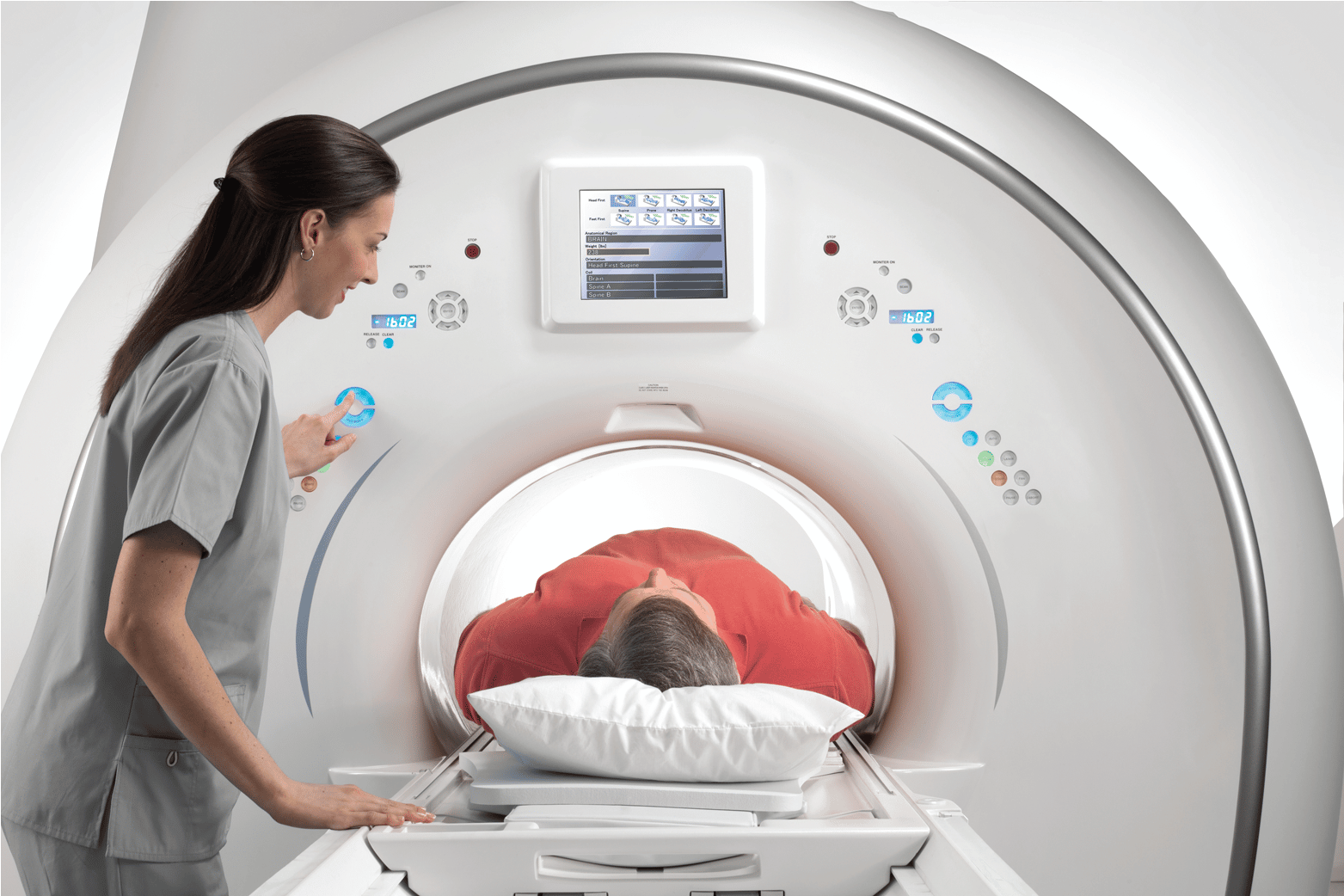
During an MRI scan, you will lie on a padded table that moves into the MRI machine.
The technologist will position you carefully based on the area being examined.
MRI machines produce loud knocking, tapping, and buzzing sounds while images are being created. You may receive earplugs or headphones to help reduce the noise.
It is important to remain as still as possible during the MRI. Movement can reduce image quality and may require certain images to be repeated.
The technologist will monitor you throughout the procedure and will usually be able to speak with you through an intercom.
How Long Does an MRI Take?
MRI scan times vary depending on the type of examination and the number of images required.
Many MRI exams take approximately 20 to 60 minutes, although some may take longer.
MRI scans involving multiple areas, detailed imaging protocols, or contrast may require additional time.
Your imaging provider can give you a more accurate estimate based on the MRI ordered by your physician.
What Should You Avoid Before an MRI?
To make your MRI appointment easier, avoid bringing unnecessary metal items or valuables.
You should also avoid ignoring the preparation instructions provided by your imaging center.
Before the exam:
- Do not wear unnecessary jewelry
- Do not bring valuables if possible
- Do not hide information about medical implants
- Do not eat if you were specifically instructed to fast
- Do not discontinue medications unless instructed
- Do not hesitate to mention claustrophobia or anxiety
Clear communication with your radiology team is an important part of MRI safety.
What Happens After an MRI?
Most patients can return to their normal activities immediately after an MRI.
If your MRI included contrast, you may receive additional instructions from the imaging center.
If you received sedation for anxiety or claustrophobia, you may need someone to drive you home.
The MRI images will typically be reviewed by a radiologist, who prepares a report for the healthcare provider who ordered the examination.
Your doctor will discuss the MRI results with you and explain whether additional testing or treatment is necessary.
Preparing for Your MRI in El Paso, TX
Knowing how to prepare for an MRI can help your appointment go smoothly and reduce unnecessary stress.
Follow your imaging center’s instructions, disclose any medical implants or devices, wear appropriate clothing, and ask questions if you are uncertain about fasting, contrast, medications, or other MRI preparation requirements.
If your healthcare provider has recommended an MRI in El Paso, TX, Professional Radiology can provide diagnostic imaging services designed to help physicians obtain the detailed information they need.
Contact Professional Radiology to learn more about MRI services in El Paso or to schedule your diagnostic imaging appointment.