Mammograms are one of the most important tools used for breast cancer screening and early detection. But many patients are unsure about when to start getting mammograms, how often they should be scheduled, and whether screening recommendations change with age.
Current breast cancer screening guidelines vary slightly among major medical organizations. For women at average risk, mammography generally begins around age 40, with screening performed every one or two years depending on age, individual risk, and the recommendation followed by your healthcare provider.
Understanding how often you should get a mammogram can help you have a more informed conversation with your doctor and stay consistent with preventive breast care.
What Is a Mammogram?
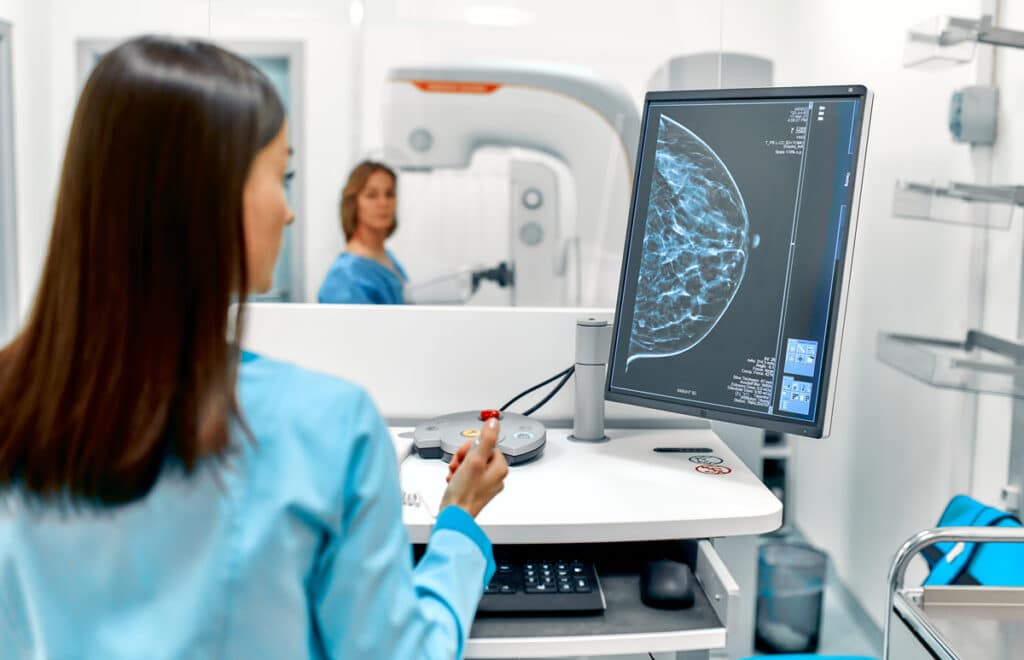
A mammogram is a low-dose X-ray examination of the breasts used to look for changes that could be signs of breast cancer.
Screening mammograms are typically performed in patients who do not have breast symptoms. Their purpose is to identify abnormalities before they can be felt or cause noticeable symptoms.
A diagnostic mammogram may be recommended when a patient has symptoms or when an abnormality is found on a screening mammogram.
Mammography can help detect:
- Breast masses
- Calcifications
- Changes in breast tissue
- Areas that may require additional imaging
- Early signs of breast cancer
Finding breast cancer at an earlier stage can make additional evaluation and treatment possible sooner.
How Often Should You Get a Mammogram?
For women at average risk, there is no single mammogram schedule followed by every medical organization.
The U.S. Preventive Services Task Force currently recommends screening mammography every two years for women ages 40 through 74.
The American Cancer Society recommends a somewhat different schedule. Women ages 40 to 44 have the option to begin annual mammograms, women ages 45 to 54 should receive a mammogram every year, and women 55 and older may transition to mammograms every two years or continue annual screening.
Because guidelines differ, your personal screening schedule should be discussed with your healthcare provider.
When Should You Start Getting Mammograms?
For many women, breast cancer screening begins at age 40.
The U.S. Preventive Services Task Force recommends that women at average risk begin biennial mammography at age 40.
The American Cancer Society gives women ages 40 to 44 the option of starting annual mammography and recommends annual screening beginning at age 45.
Your doctor may recommend starting earlier if you have an increased risk of breast cancer.
Mammogram Guidelines for Women Ages 40 to 49
Women in their 40s should talk with their healthcare provider about regular mammography.
Under current USPSTF recommendations, women ages 40 through 49 should receive a screening mammogram every two years.
The American Cancer Society recommends that women ages 40 to 44 have the option of annual mammography and that women ages 45 through 54 receive a mammogram every year.
The right schedule may depend on your health, family history, breast density, and personal preferences.
Mammogram Guidelines for Women Ages 50 to 54
Regular mammograms remain important during your 50s.
The USPSTF recommends breast cancer screening every two years through age 74 for women at average risk.
The American Cancer Society recommends annual mammograms through age 54.
If you have been receiving annual mammograms, your provider can help determine whether continuing yearly screening or transitioning to another interval is appropriate.
Mammogram Guidelines for Women 55 and Older
According to the American Cancer Society, women age 55 and older may switch to mammograms every two years or continue annual mammograms. Screening can continue as long as a woman remains in good health and has an expected life expectancy of at least 10 years.
The USPSTF recommends mammography every two years through age 74. For women age 75 and older, the Task Force states that there is currently not enough evidence to determine the balance of benefits and harms of routine screening.
For older adults, the decision to continue mammograms should be individualized.
Should You Get a Mammogram Every Year or Every Two Years?
Both annual and biennial mammography schedules are supported by major breast cancer screening organizations.
The most appropriate schedule depends on factors such as:
- Your age
- Your family history
- Your personal history
- Breast density
- Genetic risk
- Previous breast imaging findings
- Your overall health
For this reason, patients should not choose a screening schedule based only on age. Your healthcare provider can help you understand which mammogram frequency is appropriate for your situation.
Who Is Considered at Average Risk for Breast Cancer?
Breast cancer screening guidelines for the general population typically refer to women at average risk.
According to the American Cancer Society, average risk generally means that a woman does not have a personal history of breast cancer, a strong family history of breast cancer, a known genetic mutation that significantly increases breast cancer risk, or a history of high-dose radiation therapy to the chest at a young age.
Patients with higher-than-average risk may need a different screening schedule.
Who May Need Mammograms Earlier or More Often?
Some patients may need breast cancer screening earlier or more frequently than standard guidelines suggest.
Factors that may increase breast cancer risk include:
- A strong family history of breast cancer
- A personal history of breast cancer
- Certain inherited genetic mutations
- Previous high-dose radiation treatment to the chest
- Certain high-risk findings from a previous breast biopsy
Women at high risk may require additional screening tests along with mammography.
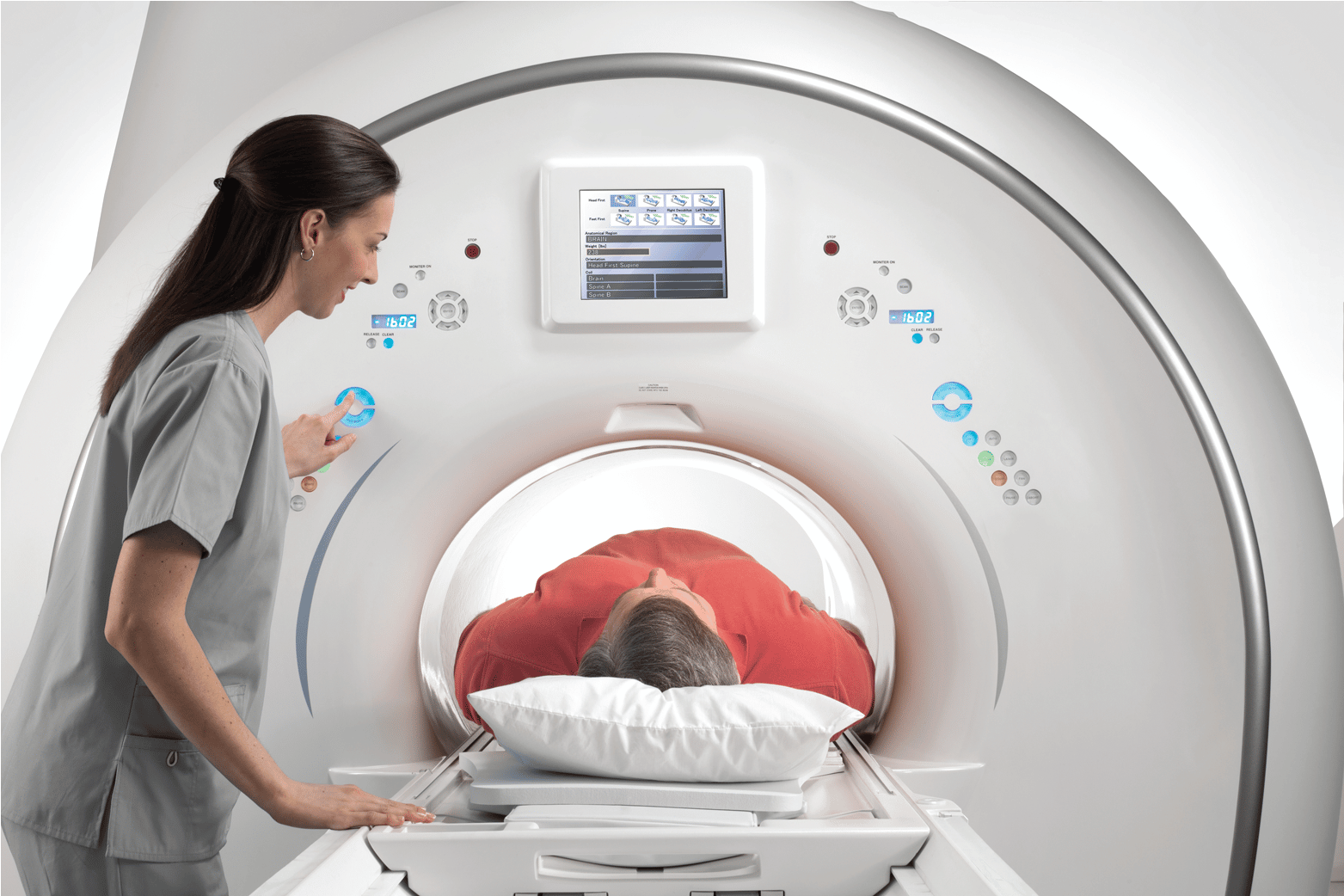
The American Cancer Society recommends that some women at high risk receive both a breast MRI and a mammogram every year, typically beginning around age 30.
Does Family History Affect Mammogram Screening?
Yes. Family history can influence breast cancer risk and may affect when screening should begin.
Tell your healthcare provider if a close family member has had:
- Breast cancer
- Ovarian cancer
- Male breast cancer
- Cancer associated with an inherited genetic mutation
Your provider may recommend a formal breast cancer risk assessment or genetic counseling in certain situations.
Having a family history of breast cancer does not automatically mean you will develop the disease, but it can influence your recommended screening plan.
What If You Have Dense Breasts?
Breast density describes the amount of fibrous and glandular tissue compared with fatty tissue in the breast.
Dense breast tissue can make mammograms more difficult to interpret because both dense tissue and some abnormalities can appear white on mammographic images.
The USPSTF currently states that more evidence is needed to determine the benefits and harms of supplemental screening with ultrasound or MRI in women with dense breasts after an otherwise negative mammogram.
If you have dense breasts, discuss your individual risk and whether additional imaging may be appropriate with your healthcare provider.
What Is the Difference Between a Screening and Diagnostic Mammogram?
A screening mammogram is used for routine breast cancer screening in patients without symptoms.
A diagnostic mammogram is performed when additional evaluation is needed.
Your doctor may order a diagnostic mammogram if you have:
- A breast lump
- Breast pain in a specific area
- Nipple discharge
- Changes in breast shape or appearance
- Skin changes
- An abnormal screening mammogram
Diagnostic mammography may include additional images focused on a specific area of the breast.
What Is a 3D Mammogram?
A 3D mammogram, also called digital breast tomosynthesis, creates multiple images of the breast from different angles.
These images are reconstructed into thin sections that allow the radiologist to evaluate breast tissue in greater detail.
The USPSTF recognizes both standard digital mammography and digital breast tomosynthesis as effective screening mammography methods.
Your imaging center or healthcare provider can explain which technology is available and appropriate for your exam.
How Long Does a Mammogram Take?
A typical mammogram appointment is relatively quick.
The imaging portion often takes only a short amount of time, although the total appointment may take longer because of registration, changing clothes, positioning, and additional images if necessary.
Each breast is positioned and briefly compressed between two plates while the images are taken.
Compression helps spread out the breast tissue and improves image quality.
Does a Mammogram Hurt?
Some patients experience temporary discomfort or pressure during breast compression.
The compression only lasts for a short time while each image is captured.
Sensitivity varies from person to person.
If your breasts tend to be tender during certain times of your menstrual cycle, scheduling your mammogram when your breasts are less sensitive may make the exam more comfortable.
How Should You Prepare for a Mammogram?
Mammogram preparation is simple, but a few steps can help your appointment go smoothly.
On the day of your mammogram:
- Do not apply deodorant, antiperspirant, powder, lotion, or cream around the breasts or underarms unless your imaging center says it is acceptable
- Wear a two-piece outfit so you only need to remove clothing from the waist up
- Bring information about previous mammograms if they were performed at another facility
- Tell the technologist about breast symptoms or previous procedures
- Inform the facility if you are pregnant or think you may be pregnant
Following your imaging center’s instructions can help prevent delays.
Why Are Regular Mammograms Important?
Breast cancer does not always cause symptoms during its early stages.
Screening mammography is designed to identify changes before a lump or other symptom becomes noticeable.
Regular screening can also make it easier for radiologists to compare current images with previous mammograms and identify changes over time.
The goal of breast cancer screening is to detect potentially concerning abnormalities early enough for additional evaluation.
What Happens If Your Mammogram Is Abnormal?
An abnormal mammogram does not automatically mean you have breast cancer.
Additional evaluation may include:
- Additional mammogram views
- Breast ultrasound
- Breast MRI
- Follow-up imaging
- Biopsy
The appropriate next step depends on what was found on the images.
Following up promptly after an abnormal mammogram is an important part of breast cancer screening.
Can You Get a Mammogram If You Have Breast Implants?
Yes. Women with breast implants can still undergo mammography.
However, additional images may be required so the technologist can visualize as much breast tissue as possible.
Tell the imaging center about your implants when scheduling your appointment so they can plan the appropriate mammogram technique.
What Are Common Signs That Need Medical Evaluation?
Routine screening is intended for patients who do not have symptoms.
Do not wait until your next scheduled screening mammogram if you notice a new or unusual breast change.
Contact your healthcare provider if you notice:
- A new breast lump
- A lump in the underarm
- Changes in breast size or shape
- Persistent breast or nipple changes
- Nipple discharge
- Skin dimpling or other skin changes
- A newly inverted nipple
Your provider can determine whether diagnostic breast imaging is needed.
Frequently Asked Questions About Mammogram Screening
At what age should you get your first mammogram?
For women at average risk, current U.S. recommendations generally support beginning mammography around age 40. The exact schedule varies among medical organizations.
Do you need a mammogram every year after age 40?
Not necessarily. Some guidelines recommend mammograms every two years, while others recommend annual screening during certain age ranges. Your provider can help determine your appropriate screening frequency.
How often should a 50-year-old woman get a mammogram?
Depending on the guideline followed, a woman at average risk may receive a mammogram every year or every two years.
At what age can you stop getting mammograms?
There is no universal stopping age. The USPSTF currently recommends biennial mammography through age 74 and notes insufficient evidence for routine screening after age 75. The American Cancer Society recommends continuing screening while a woman remains in good health and is expected to live at least another 10 years.
Do women with a family history of breast cancer need earlier screening?
Some women with increased breast cancer risk may need earlier or additional screening. A healthcare provider should assess individual risk and recommend an appropriate schedule.
Schedule a Mammogram in El Paso, TX
How often you should get a mammogram depends on your age, breast cancer risk, medical history, and the screening guidelines you and your healthcare provider choose to follow.
For many women at average risk, regular mammography begins around age 40 and continues every one or two years. Patients with increased breast cancer risk may need a more individualized screening plan.
Professional Radiology provides mammography and diagnostic imaging services in El Paso, TX, helping patients access breast cancer screening and follow-up imaging when recommended by their healthcare providers.
If you are due for a mammogram in El Paso, contact Professional Radiology to learn more about scheduling a breast cancer screening appointment.