Choosing the right radiology center is an important part of getting accurate diagnostic imaging and a smooth overall healthcare experience. Whether your doctor has ordered an MRI, CT scan, X-ray, ultrasound, mammogram, or bone density test, the facility you choose can affect scheduling, cost, convenience, and how quickly your results reach your healthcare provider.
If you are searching for diagnostic imaging in El Paso, TX, it helps to know what factors to compare before making an appointment.
A good radiology center should offer the imaging test your doctor ordered, provide clear preparation instructions, work with your insurance when applicable, and have experienced radiology professionals available to interpret your images.
What Is Diagnostic Imaging?
Diagnostic imaging refers to medical tests that create images of structures inside the body.
Doctors use diagnostic imaging to help evaluate symptoms, detect injuries, monitor medical conditions, and guide treatment decisions.
Common diagnostic imaging services include:
- MRI
- CT scans
- Digital X-rays
- Ultrasound
- Mammography
- Bone density scans
- Image-guided procedures
Each imaging test works differently and is designed to answer specific medical questions.
Why Choosing the Right Radiology Center Matters
Not every imaging center offers the same services, technology, scheduling options, or patient experience.
Choosing a qualified radiology center can help ensure that:
- The correct imaging study is performed
- Images are clear and diagnostically useful
- Your exam follows the proper protocol
- Results are interpreted appropriately
- Your healthcare provider receives the report
- Preparation instructions are easy to understand
- Your appointment is completed efficiently
The goal is not simply to find the closest imaging center, but to find one that meets your medical and practical needs.
Make Sure the Center Offers the Imaging Test You Need
The first step is confirming that the facility performs the specific exam ordered by your physician.
A full-service diagnostic imaging center may offer several types of radiology services, including:
- MRI
- CT imaging
- X-ray
- Ultrasound
- Mammography
- DEXA scans
- Biopsies
- Aspirations
Some facilities specialize in only certain types of imaging.
When scheduling, provide the exact name of the exam listed on your physician’s order.
Look for MRI Services in El Paso
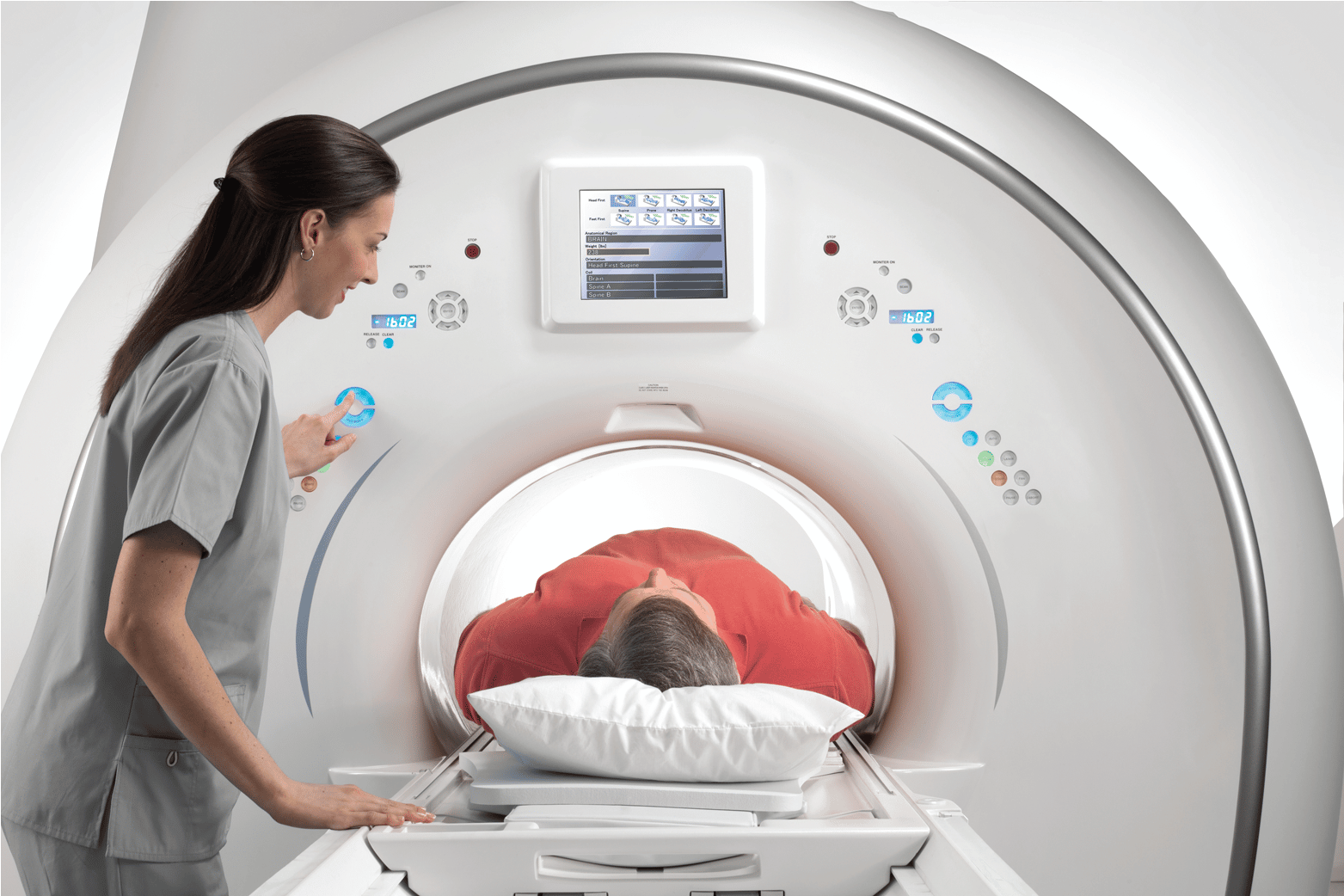
MRI is commonly used to evaluate soft tissues, joints, the brain, spine, muscles, ligaments, tendons, and internal organs.
If you need an MRI in El Paso, ask whether the imaging center performs the specific MRI study your doctor ordered.
You may also want to confirm:
- Whether contrast is available
- Whether the facility performs your specific body-part MRI
- How long the appointment typically takes
- Whether special preparation is required
- Whether the center can accommodate patients with claustrophobia
MRI safety screening is especially important because the equipment uses a powerful magnetic field.
Look for CT Scan Services in El Paso
CT scans are used to create detailed cross-sectional images of the body.
Doctors may order a CT scan to evaluate:
- Internal organs
- Bones
- Blood vessels
- Lungs
- Kidney stones
- Injuries
- Abdominal pain
- Internal bleeding
If your CT scan requires contrast, make sure the imaging center can perform contrast-enhanced CT studies and provide the appropriate preparation instructions.
Check for Digital X-Ray Services
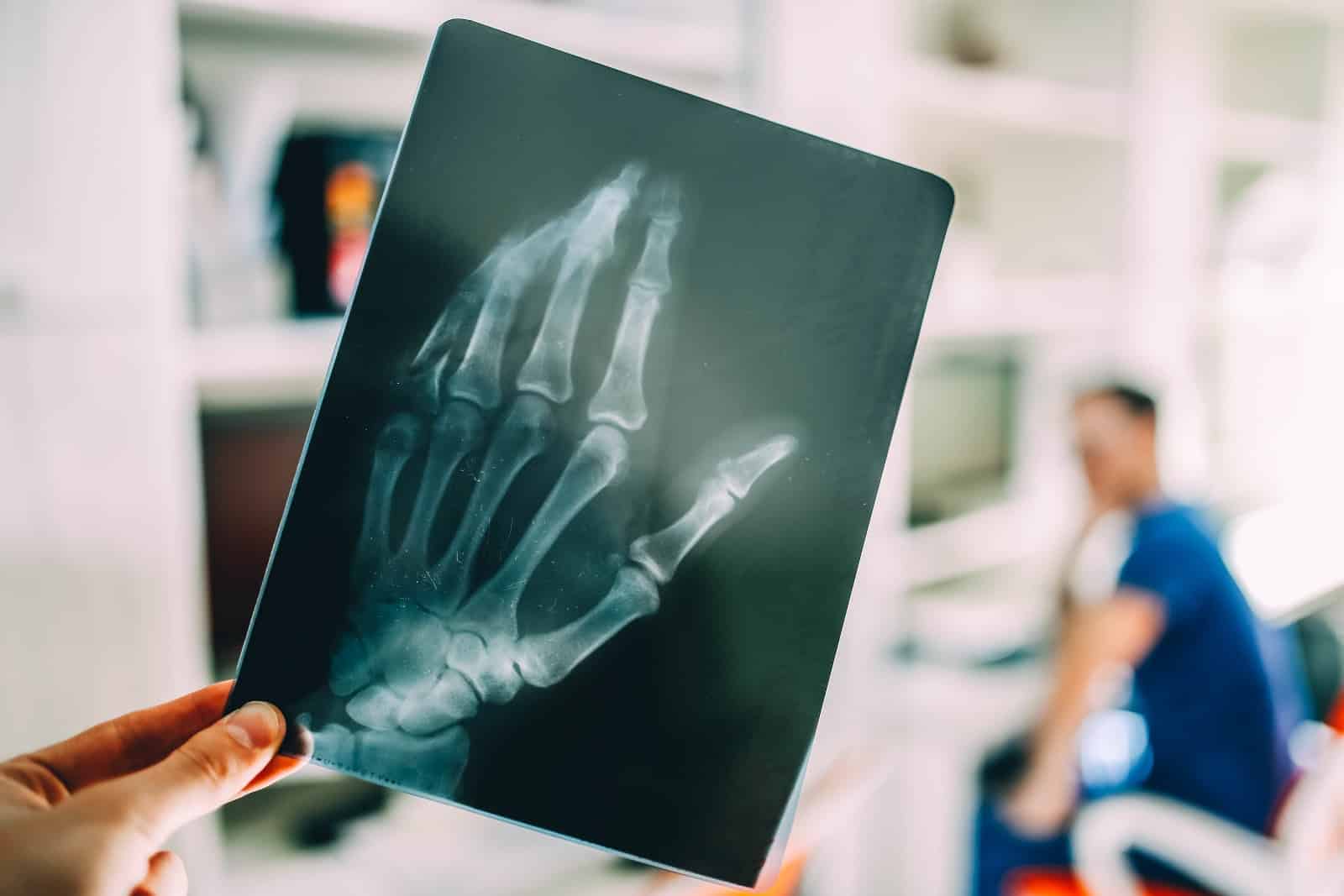
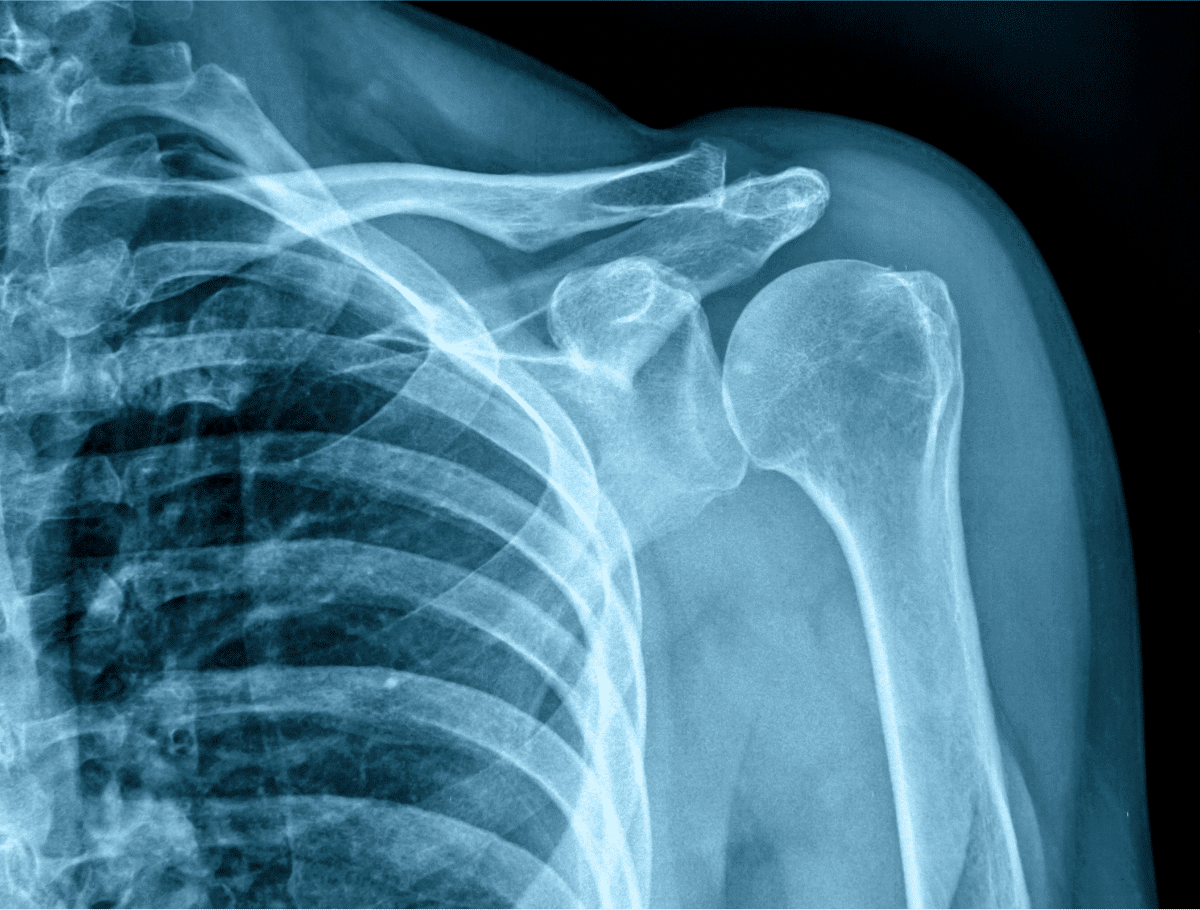
Digital X-rays are commonly used to evaluate fractures, joint problems, chest conditions, and other bone-related concerns.
If your doctor has ordered an X-ray, consider whether the radiology center offers:
- Digital X-ray technology
- Convenient appointment times
- Efficient image processing
- Quick report delivery
X-rays are usually fast, but choosing a facility with streamlined scheduling can make the process even easier.
Ask About Ultrasound Services
Ultrasound uses sound waves to create real-time images of organs, soft tissues, and blood flow.
A radiology center may offer ultrasound for areas such as:
- Abdomen
- Pelvis
- Thyroid
- Kidneys
- Gallbladder
- Blood vessels
- Soft tissues
Preparation requirements vary significantly depending on the type of ultrasound.
Some exams require fasting, while others require a full bladder.
A good imaging center should clearly explain how to prepare before your appointment.
Consider Mammography Services
If you need breast cancer screening, confirm whether the radiology center provides mammography.
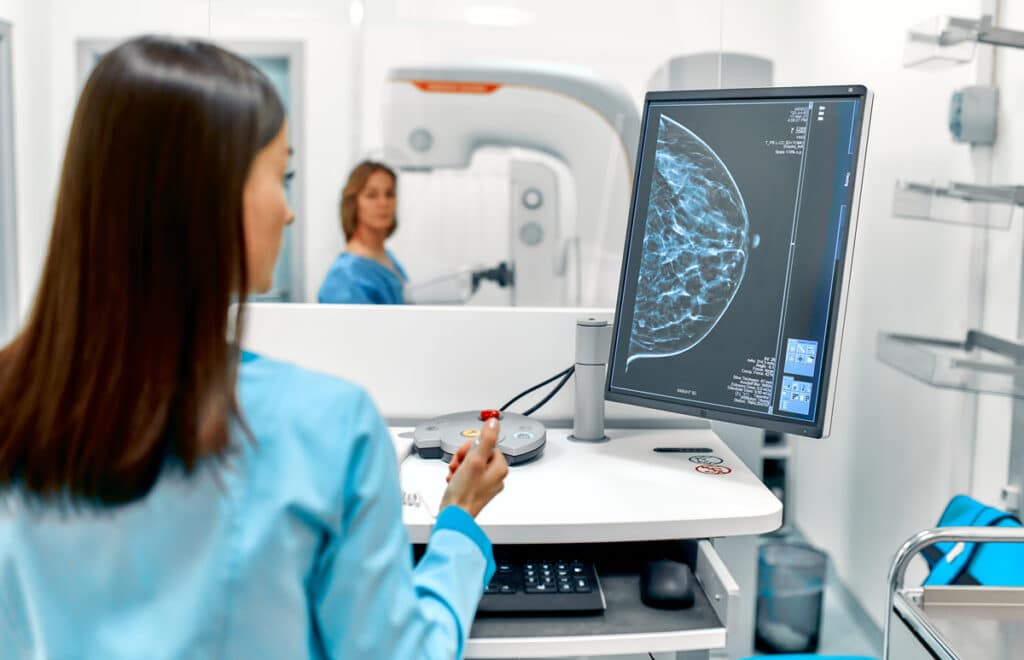
Mammograms are used for routine breast cancer screening and for evaluating certain breast abnormalities.
Before scheduling a mammogram, ask whether the center offers:
- Screening mammography
- Diagnostic mammography
- Additional breast imaging when needed
- Coordination with referring physicians
Regular mammography is an important part of preventive care for many women.
Ask About Bone Density Testing
Bone density testing, also called DEXA or DXA scanning, is used to measure bone mineral density and evaluate osteoporosis risk.
A bone density test may be recommended based on:
- Age
- Menopause status
- Previous fractures
- Family history
- Certain medications
- Other osteoporosis risk factors
If your doctor has ordered a DEXA scan, confirm that the imaging center offers bone density testing and ask about preparation requirements.
Check Whether the Center Offers Image-Guided Procedures
Some radiology centers provide more than diagnostic imaging.
They may also offer image-guided procedures such as:
- Biopsies
- Aspirations
- Drainage procedures
- Other minimally invasive procedures
Ultrasound, CT, or other imaging may be used to help guide these procedures.
If your physician has ordered a biopsy or aspiration, confirm that the center performs the specific procedure required.
Find Out Who Interprets the Images
Diagnostic images are typically interpreted by a radiologist.
A radiologist is a physician trained to review medical imaging and identify findings that may help diagnose or monitor medical conditions.
When choosing a radiology center, consider asking:
- Who interprets the images?
- How quickly are reports completed?
- How are results sent to my doctor?
- Can previous imaging studies be compared?
Communication between the imaging center and your referring healthcare provider is an important part of the diagnostic process.
Ask How Quickly Results Are Sent to Your Doctor
After your exam, a radiologist generally reviews the images and prepares a report.
The report is then sent to the healthcare provider who ordered the test.
Before scheduling, ask the imaging center:
- How long does it usually take to complete a report?
- How will my doctor receive the results?
- Can urgent results be communicated quickly?
- Can I request copies of my images or report?
Result timelines can vary depending on the type of study and urgency.
Check Whether the Center Accepts Your Insurance
Insurance coverage is one of the most important factors when choosing a diagnostic imaging center.
Before your appointment, verify:
- Whether the center accepts your insurance
- Whether it is in network
- Whether prior authorization is required
- Whether you have a deductible
- Whether coinsurance applies
- What your estimated out-of-pocket cost may be
You can verify this information with both the radiology center and your insurance provider.
Ask About Self-Pay Imaging Prices
If you do not have insurance or have a high deductible, ask about self-pay pricing.
Some outpatient diagnostic imaging centers offer discounted rates for patients paying directly.
When requesting a quote, ask whether the price includes:
- The imaging procedure
- Facility fees
- Contrast material
- Radiologist interpretation
- Other professional fees
An all-inclusive estimate can make it easier to compare options.
Compare Hospital Imaging and Outpatient Radiology Centers
Diagnostic imaging can be performed at hospitals or outpatient imaging centers.
For non-emergency studies, outpatient radiology centers may offer advantages such as:
- Easier scheduling
- More convenient parking
- Shorter visits
- A more focused imaging environment
- Competitive self-pay pricing
Hospital imaging may be necessary in certain situations, particularly when imaging is part of emergency or inpatient care.
Your doctor can help determine which setting is appropriate.
Consider Appointment Availability
A convenient imaging center should make it reasonably easy to schedule your exam.
Ask about:
- Same-day appointments
- Next-day appointments
- Early morning availability
- Evening hours
- Weekend scheduling
- Walk-in options for certain services
This can be especially helpful if you need imaging quickly or have a busy schedule.
Location Matters
When comparing radiology centers in El Paso, location can make a significant difference.
Consider whether the facility is convenient from your:
- Home
- Workplace
- Doctor’s office
- Specialist’s office
You may also want to consider:
- Parking
- Accessibility
- Transportation options
- Travel time
Convenience can help reduce stress on the day of your exam.
Look for Clear Patient Instructions
Good communication begins before you arrive.
The imaging center should clearly explain:
- Whether you can eat before the exam
- Whether you need to drink water
- Whether you need a full bladder
- Whether contrast is required
- Whether you should stop certain medications
- What clothing to wear
- What documents to bring
- How early to arrive
Preparation instructions vary by exam, so clear guidance is important.
Evaluate Patient Comfort
Diagnostic imaging can make some patients nervous, particularly if they are having an MRI or undergoing a procedure for the first time.
A patient-focused radiology center should be willing to explain what will happen and answer questions.
Comfort considerations may include:
- Friendly communication
- Clear instructions
- Clean facilities
- Privacy
- Efficient appointment flow
- Support for patients with anxiety or claustrophobia
Feeling informed can make the imaging experience much easier.
Ask About MRI Claustrophobia
Claustrophobia is a common concern during MRI scans.
If you are anxious in enclosed spaces, tell the radiology center before your appointment.
Ask:
- What type of MRI equipment is used?
- How long will my scan take?
- Can I communicate with the technologist?
- What options are available for patients with claustrophobia?
Planning ahead can help reduce anxiety on the day of the scan.
Check Contrast Safety Procedures
Some MRI and CT scans require contrast material.
Before receiving contrast, the imaging team may ask about:
- Allergies
- Kidney disease
- Previous contrast reactions
- Pregnancy
- Other medical conditions
Depending on your health history, additional testing may be necessary.
A radiology center should have a clear screening process for contrast-enhanced imaging.
Ask Whether Previous Images Can Be Reviewed
If you have had imaging performed at another facility, previous studies may be useful for comparison.
Radiologists can sometimes compare new images with older scans to identify changes over time.
Before your appointment, ask whether you should bring:
- Previous CDs or imaging files
- Prior radiology reports
- Medical records
This can be particularly useful for follow-up imaging.
Look for a Center That Communicates With Your Doctor
Your imaging center should be able to send results to the provider who ordered the exam.
Good coordination can help avoid delays in follow-up care.
Before scheduling, confirm that the facility has the correct contact information for your physician.
If multiple doctors are involved in your care, ask whether reports can be sent to additional providers.
What Should You Bring to a Radiology Appointment?
Depending on your exam, you may need:
- Photo identification
- Insurance card
- Physician’s order
- Medication list
- Previous imaging studies
- Implant information
- Relevant laboratory results
For MRI exams, bring documentation for implanted medical devices if available.
What Questions Should You Ask a Radiology Center?
Before scheduling diagnostic imaging in El Paso, consider asking:
- Do you perform the exam my doctor ordered?
- Do you accept my insurance?
- Are you in network?
- Do I need prior authorization?
- What is my estimated cost?
- Do you offer self-pay pricing?
- Is contrast required?
- How should I prepare?
- How long will the appointment take?
- When will my doctor receive the report?
- Can I get a copy of my images?
- What should I bring to the appointment?
Getting these answers beforehand can make the entire process easier.
When Should You Choose an Emergency Room Instead?
An outpatient radiology center is appropriate for scheduled diagnostic imaging, but it is not a replacement for emergency medical care.
Seek urgent medical attention for symptoms such as:
- Signs of stroke
- Severe chest pain
- Severe difficulty breathing
- Major trauma
- Loss of consciousness
- Uncontrolled bleeding
- Sudden severe neurological symptoms
In an emergency, imaging may be performed as part of a broader medical evaluation.
Frequently Asked Questions About Diagnostic Imaging in El Paso
What types of diagnostic imaging are available in El Paso?
Diagnostic imaging services may include MRI, CT scans, X-rays, ultrasound, mammography, DEXA scans, and image-guided procedures.
Do I need a doctor’s order for diagnostic imaging?
Most diagnostic imaging exams require an order from a healthcare provider.
How much does diagnostic imaging cost?
Costs vary based on the type of exam, facility, contrast use, and insurance coverage. Contact the imaging center for a personalized estimate.
Can I choose where to get my MRI or CT scan?
In many non-emergency situations, patients may have options when selecting an imaging center. Insurance network requirements and physician recommendations may affect your choices.
How long do radiology results take?
The timeline depends on the exam, facility, and urgency. A radiologist reviews the images and sends a report to the ordering healthcare provider.
Is outpatient diagnostic imaging safe?
Diagnostic imaging centers follow established safety protocols for procedures such as MRI, CT, X-ray, ultrasound, and mammography. Each test has different safety considerations.
Choosing a Radiology Center in El Paso, TX
The right radiology center should combine quality diagnostic imaging with convenient scheduling, clear communication, and a patient-focused experience.
Before choosing a facility, confirm that it offers the test your doctor ordered, accepts your insurance when applicable, provides clear preparation instructions, and has a reliable process for sending results to your healthcare provider.
Professional Radiology provides diagnostic imaging services in El Paso, TX, including MRI, CT scans, digital X-rays, ultrasound, mammography, bone density testing, and additional radiology services.
If your healthcare provider has ordered diagnostic imaging in El Paso, contact Professional Radiology to learn more about available services, scheduling, insurance, and preparation requirements.