A DEXA scan is one of the most common tests used to measure bone density and detect osteoporosis. If your doctor is concerned about bone loss, fracture risk, or changes in bone strength as you age, a bone density test can provide important information about the health of your bones.
Also known as a DXA scan, bone density scan, or bone mineral density test, this quick and noninvasive exam uses a very low dose of X-rays to measure the mineral content of your bones, most often at the hip and lower spine. It is considered the standard imaging method for measuring bone mineral density.
Knowing what a DEXA scan is, when you should get one, and what your results mean can help you better understand your risk for osteoporosis and bone fractures.
What Is a DEXA Scan?
DEXA stands for dual-energy X-ray absorptiometry. You may also see the test referred to as DXA.
A DEXA scan measures bone mineral density, often abbreviated as BMD. Bone mineral density indicates how much mineral is present in your bones and can help healthcare providers determine whether your bones have become weaker over time.
DEXA scans are most commonly performed on the:
- Hip
- Lower spine
- In some cases, the forearm
The test is frequently used to diagnose osteoporosis, identify low bone density, estimate fracture risk, and monitor changes in bone health over time.
What Is a Bone Density Test Used For?
A bone density test provides information that cannot always be determined from symptoms alone.
Your doctor may order a DEXA scan to:
- Screen for osteoporosis
- Detect low bone mineral density
- Estimate your risk of fractures
- Monitor bone loss over time
- Evaluate the effectiveness of osteoporosis treatment
- Investigate certain risk factors for weakened bones
Osteoporosis can develop gradually and may not cause obvious symptoms until a fracture occurs. This is one reason bone density screening can be important for people who are at increased risk.
What Is Osteoporosis?
Osteoporosis is a condition in which bones become weaker and more likely to break.
Bones naturally change throughout life. As people age, bone loss may begin to occur faster than new bone is formed.
When enough bone density is lost, the risk of fractures can increase, particularly in areas such as the:
- Hip
- Spine
- Wrist
A DEXA scan can help detect low bone density before a serious fracture occurs.
When Should You Get a Bone Density Test?
Current U.S. Preventive Services Task Force recommendations advise osteoporosis screening for women age 65 and older. The USPSTF also recommends screening postmenopausal women younger than 65 who have one or more osteoporosis risk factors and are determined to be at increased fracture risk using a clinical risk assessment.
However, age is not the only reason a doctor may order a bone density test.
Your individual screening schedule may depend on your:
- Age
- Sex
- Menopause status
- Medical history
- Family history
- Previous fractures
- Medications
- Lifestyle
- Other osteoporosis risk factors
Your healthcare provider can determine whether you need a DEXA scan based on your personal risk.
Bone Density Testing for Women Age 65 and Older
Women age 65 and older should generally be screened for osteoporosis, according to current USPSTF recommendations.
Bone loss becomes more common with age, particularly after menopause.
A DEXA scan can help determine whether bone mineral density remains within a healthy range or whether osteoporosis or low bone mass is present.
Do You Need a DEXA Scan Before Age 65?
Some women may need osteoporosis screening before age 65.
The USPSTF recommends that postmenopausal women under 65 with one or more osteoporosis risk factors first undergo a clinical risk assessment. Those identified as being at increased risk should receive bone density screening.
Risk factors can vary from patient to patient, so it is important to discuss your medical history with your doctor rather than waiting until a specific age if you have concerns.
Who Is at Higher Risk for Osteoporosis?
Several factors can increase the likelihood of developing low bone density or osteoporosis.
These may include:
- Older age
- Menopause
- Low body weight
- Family history of osteoporosis
- Family history of hip fractures
- Previous fractures
- Smoking
- Excessive alcohol consumption
- Certain medical conditions
- Certain long-term medications
- Low physical activity
- Nutritional factors affecting bone health
Not everyone with these risk factors will develop osteoporosis, but they may influence whether your doctor recommends a bone density scan.
Can Men Get a DEXA Scan?
Yes. DEXA scans can be performed in men as well as women.
However, routine osteoporosis screening recommendations are different for men.
As of the USPSTF’s 2025 recommendation, there is not enough evidence to determine the overall balance of benefits and harms of routine osteoporosis screening in men who do not otherwise have known osteoporosis or specific conditions associated with bone loss.
A physician may still order a DEXA scan for a man based on medical history, age, fractures, medications, or other individual risk factors.
What Does a DEXA Scan Detect?
A DEXA scan measures bone mineral density rather than directly taking a standard picture of the inside of a bone.
The results can help identify:
- Normal bone density
- Low bone mass, also called osteopenia
- Osteoporosis
The results may also help your healthcare provider estimate your future fracture risk.
What Is Osteopenia?
Osteopenia means that bone density is lower than normal but has not reached the range typically used to define osteoporosis.
Having osteopenia does not necessarily mean that you will develop osteoporosis.
Your doctor may consider your DEXA scan results along with other fracture risk factors when deciding whether lifestyle changes, monitoring, or treatment is appropriate.
How Does a DEXA Scan Work?
A DEXA scanner uses two low-dose X-ray beams with different energy levels.
The system measures how much of each beam passes through soft tissue and bone. Specialized software then calculates bone mineral density.
Because only a very small amount of radiation is used, DEXA scans involve substantially less radiation than many other X-ray-based imaging tests.
What Happens During a DEXA Scan?
During a standard central DEXA scan, you will lie on a padded examination table.
The scanning equipment passes over the area being examined while you remain still.
For a spine measurement, your legs may be supported to help position your lower back correctly.
For a hip measurement, your leg may be positioned so the hip can be evaluated accurately.
The procedure is noninvasive and does not require injections or anesthesia.
How Long Does a DEXA Scan Take?
A DEXA bone density scan typically takes approximately 10 to 30 minutes, depending on the equipment and the areas being examined.
The scan itself is generally quick, although your total appointment may take a little longer for registration and preparation.
Does a DEXA Scan Hurt?
A DEXA scan is generally painless.
You will need to lie still while the images and measurements are obtained, but the scanner does not enclose your entire body like some MRI machines.
No needles or injections are typically required for a standard bone density scan.
How Do You Prepare for a DEXA Scan?
DEXA scan preparation is usually simple.
RadiologyInfo recommends that patients avoid taking calcium supplements for at least 24 hours before the exam. Patients can generally eat normally on the day of the test unless their healthcare provider gives different instructions.
You may also be asked to:
- Wear loose, comfortable clothing
- Avoid clothing with metal zippers, buttons, or belts
- Remove jewelry or metal objects
- Tell your provider if you may be pregnant
- Tell your provider about recent CT scans with contrast
- Tell your provider about recent barium examinations
If you recently received certain contrast materials, your imaging center may ask you to wait before having the DEXA scan.
Can You Eat Before a Bone Density Test?
In most cases, yes.
Patients can generally eat normally before a DEXA scan.
However, you should always follow the specific preparation instructions given by your imaging center.
What Should You Wear for a DEXA Scan?
Wear comfortable clothing without metal whenever possible.
Items such as metal zippers, belts, buckles, or buttons can interfere with the examination and may need to be removed.
Depending on the facility and clothing you are wearing, you may be asked to change into a medical gown.
What Is a T-Score on a DEXA Scan?
One of the most important numbers on a bone density test is the T-score.
A T-score compares your bone mineral density with the bone density of a healthy young adult.
According to the National Institute of Arthritis and Musculoskeletal and Skin Diseases:
- A T-score of -1.0 or higher is considered normal bone density
- A T-score between -1.0 and -2.5 indicates low bone density or osteopenia
- A T-score of -2.5 or lower may indicate osteoporosis
Your doctor will interpret your T-score along with your medical history and other risk factors.
What Is a Z-Score?
A Z-score compares your bone mineral density with that of other people of a similar age and sex.
It may be used particularly in younger adults.
A Z-score significantly below the expected range may lead your healthcare provider to investigate whether another condition or medication is contributing to low bone density.
What Is a Normal Bone Density Score?
A T-score of -1.0 or higher is generally considered within the normal range.
Lower scores indicate progressively lower bone mineral density.
However, DEXA results should not be interpreted in isolation.
Your healthcare provider may also consider factors such as:
- Age
- Previous fractures
- Family history
- Smoking history
- Medications
- Other medical conditions
- Overall fracture risk
What Happens If Your DEXA Scan Shows Osteopenia?
If your bone density test shows osteopenia, your healthcare provider may evaluate your overall fracture risk before recommending next steps.
Depending on your situation, recommendations may involve:
- Lifestyle changes
- Weight-bearing exercise
- Nutrition changes
- Calcium and vitamin D considerations
- Fall prevention
- Additional monitoring
- Medication in selected patients
Treatment decisions depend on more than the DEXA score alone.
What Happens If Your DEXA Scan Shows Osteoporosis?
If your results are consistent with osteoporosis, your healthcare provider may recommend treatment designed to reduce future fracture risk.
The treatment plan depends on factors including:
- Severity of bone loss
- Age
- Previous fractures
- Overall fracture risk
- Other medical conditions
- Medications
Your doctor may also recommend follow-up bone density testing to monitor changes over time.
How Often Should You Get a DEXA Scan?
There is no single testing interval that is right for every patient.
How frequently you need repeat bone density testing depends on factors such as your initial results, age, risk factors, and whether you are receiving treatment.
For some patients, repeat testing may be performed after a period of several years, while others may require closer monitoring.
RadiologyInfo notes that routine evaluations may sometimes be performed about every two years when monitoring meaningful changes in bone density, although the appropriate interval should be determined individually.
DEXA Scan vs. X-Ray
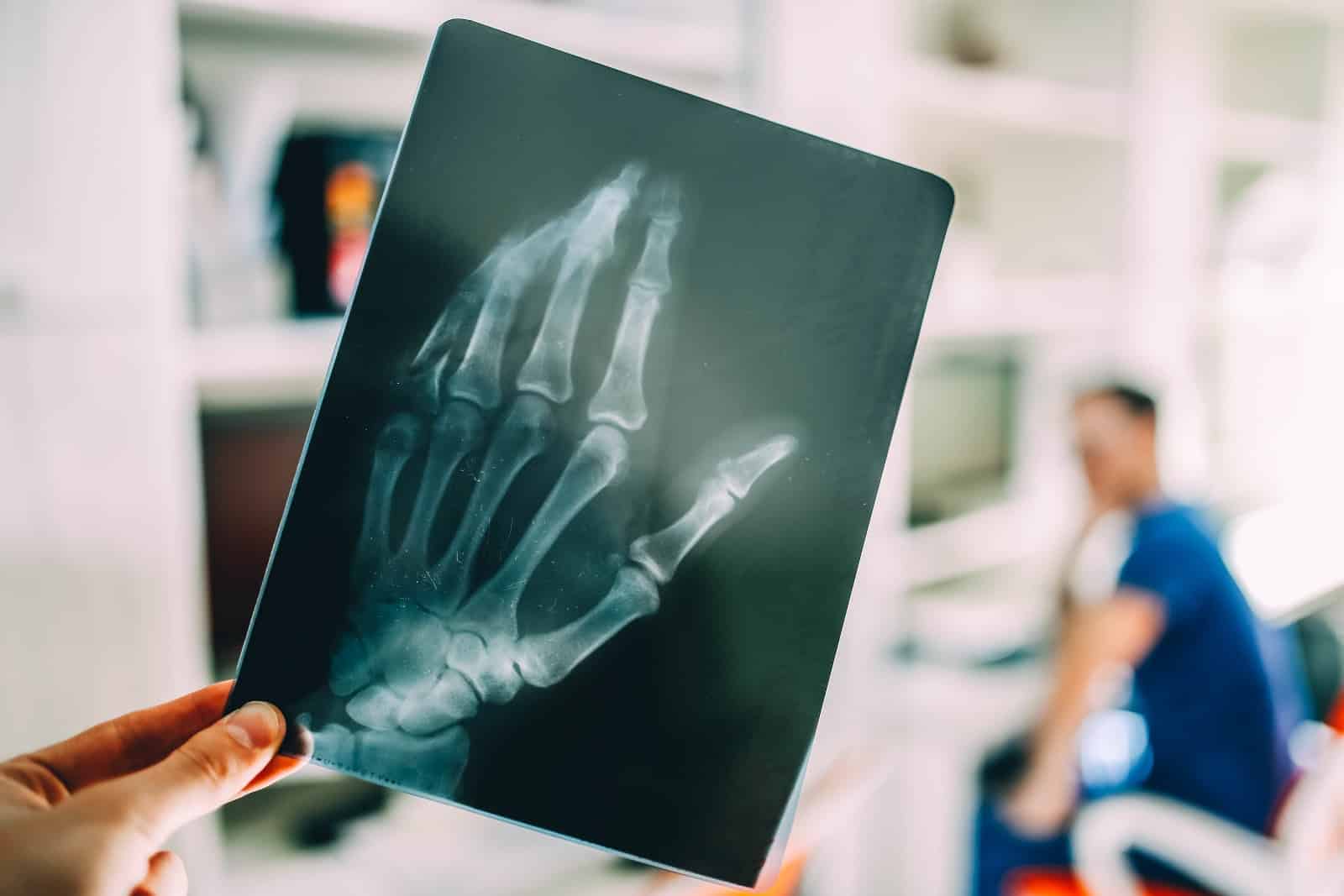
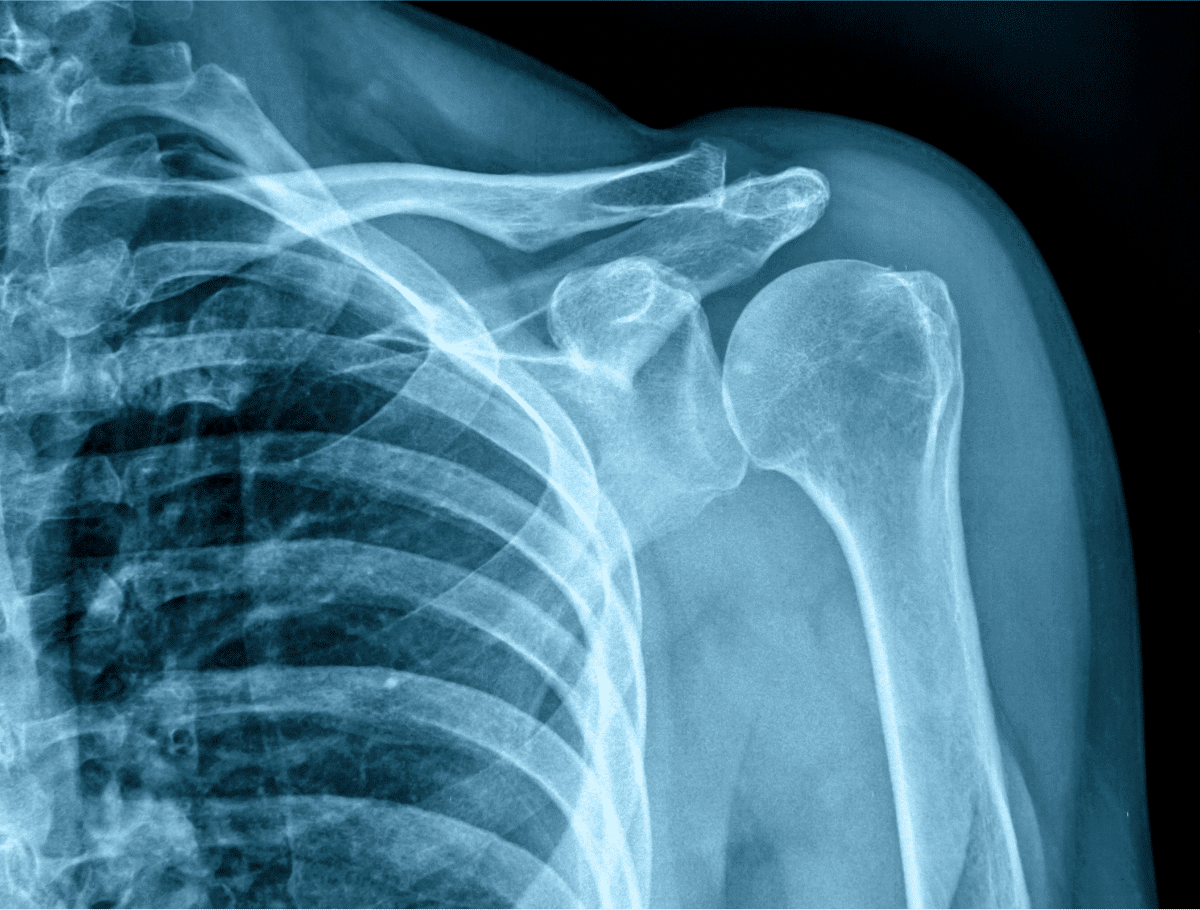
A standard X-ray and a DEXA scan both use X-ray technology, but they serve different purposes.
A standard X-ray is commonly used to look for:
- Fractures
- Bone injuries
- Joint abnormalities
- Certain structural changes
A DEXA scan is specifically designed to measure bone mineral density and evaluate bone loss.
A person can have osteoporosis even if a standard X-ray does not clearly show early bone loss.
DEXA Scan vs. Bone Scan
A DEXA scan and a bone scan are not the same test.
A DEXA scan measures bone mineral density.
A nuclear medicine bone scan uses a small amount of radioactive tracer and is typically used to look for areas of abnormal bone activity.
The appropriate test depends on what your healthcare provider needs to evaluate.
Can a DEXA Scan Predict Fractures?
A DEXA scan cannot predict exactly whether or when a fracture will occur.
However, lower bone mineral density is associated with increased fracture risk.
Healthcare providers may combine DEXA results with other clinical factors to estimate a patient’s likelihood of experiencing an osteoporosis-related fracture.
Why Is Bone Density Screening Important?
Osteoporosis is sometimes called a silent condition because bone loss can develop without obvious symptoms.
For some people, the first noticeable sign of osteoporosis is a fracture.
Bone density testing can help identify reduced bone strength before a fracture occurs, giving healthcare providers an opportunity to evaluate risk and recommend appropriate prevention or treatment strategies.
Frequently Asked Questions About DEXA Scans
At what age should you get a bone density test?
Current USPSTF guidelines recommend osteoporosis screening for women age 65 and older. Postmenopausal women younger than 65 who are at increased fracture risk may also need screening.
Is a DEXA scan the same as a bone density test?
Yes. DEXA or DXA is the most commonly used standard test for measuring bone mineral density.
How long does a bone density test take?
A DEXA scan usually takes about 10 to 30 minutes.
Does a DEXA scan use radiation?
Yes, but it uses a very small dose of ionizing radiation.
Can a DEXA scan diagnose osteoporosis?
DEXA is the standard method used to measure bone mineral density and plays an important role in diagnosing osteoporosis.
What is the difference between osteopenia and osteoporosis?
Osteopenia refers to bone mineral density below the normal range but not as low as osteoporosis. A T-score of -2.5 or lower may indicate osteoporosis.
Schedule a DEXA Scan in El Paso, TX
A DEXA scan is a quick, noninvasive bone density test that can help detect osteoporosis, identify low bone mass, and assess your risk of future fractures.
For many women, routine osteoporosis screening begins at age 65, while some younger postmenopausal women may need testing earlier based on their individual risk factors.
Professional Radiology provides bone density scans in El Paso, TX, along with diagnostic imaging services for patients and referring healthcare providers.
If your doctor has recommended a DEXA scan or bone density test in El Paso, contact Professional Radiology to learn more about scheduling your examination and preparing for your appointment.