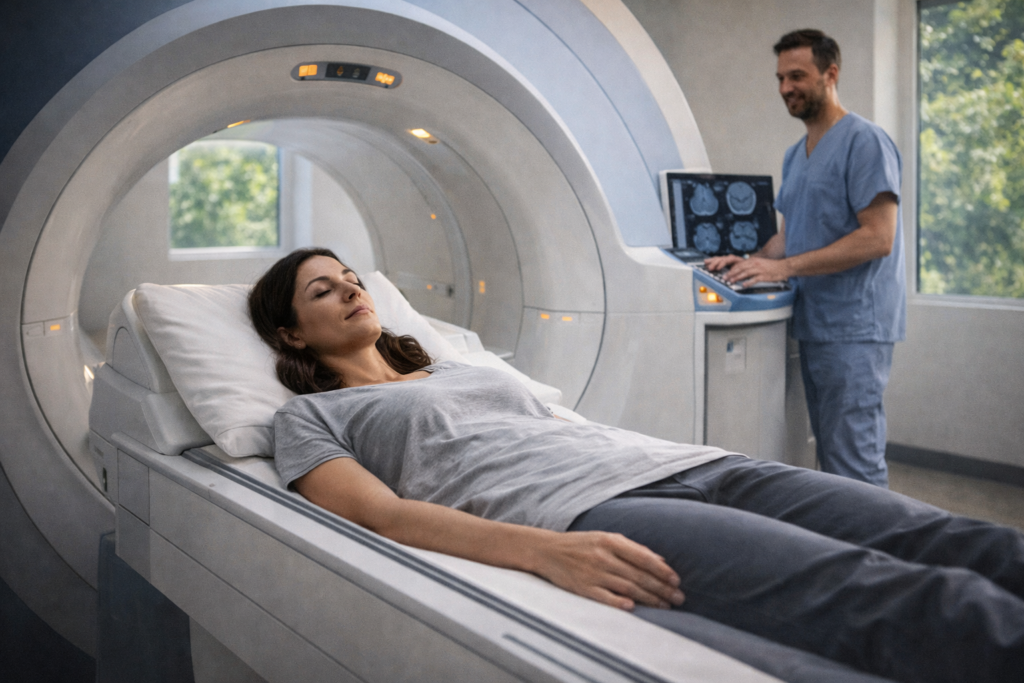
Why Wide-Open MRI Is Changing the Patient Experience in 2026. For a long time, medical imaging had a reputation for feeling cold, intimidating, and overly clinical. Many patients walked into an exam already nervous, not just because of the reason for the appointment, but because of the experience they expected once the scan began. In 2026, that expectation is starting to change.
At Professional Radiology, the conversation around imaging is no longer just about getting clear pictures. It is also about how people feel before, during, and after the appointment. That shift matters more than ever, because patient comfort can shape everything from confidence to cooperation during the exam. When people feel calm and informed, the entire process tends to go more smoothly.
That is one reason more patients are paying attention to MRI options that feel less overwhelming from the start. The exam itself is still an essential tool for giving providers detailed images of what is happening inside the body, but the environment around it has become part of the story too. In practical terms, comfort is no longer treated like a bonus. It is part of quality care.
Why the patient experience matters more in 2026
Healthcare has become more personal. People now expect clear communication, shorter wait times, less stress, and a setting that feels built around real human needs. That includes imaging appointments.
When someone is referred for magnetic resonance imaging, they are often already dealing with uncertainty. Maybe they have unexplained pain. Maybe they are following up on an injury. Maybe they just want answers so they can move forward with treatment. In moments like that, even small details can make a big difference. A welcoming staff, a calmer room, and a machine designed with comfort in mind can completely change how the visit feels.
This is especially important for people who have delayed imaging in the past because they were worried about being in a tight space. Others may have had a stressful exam years ago and assumed the experience would always feel the same. In 2026, that assumption is becoming outdated.
What makes the new experience different
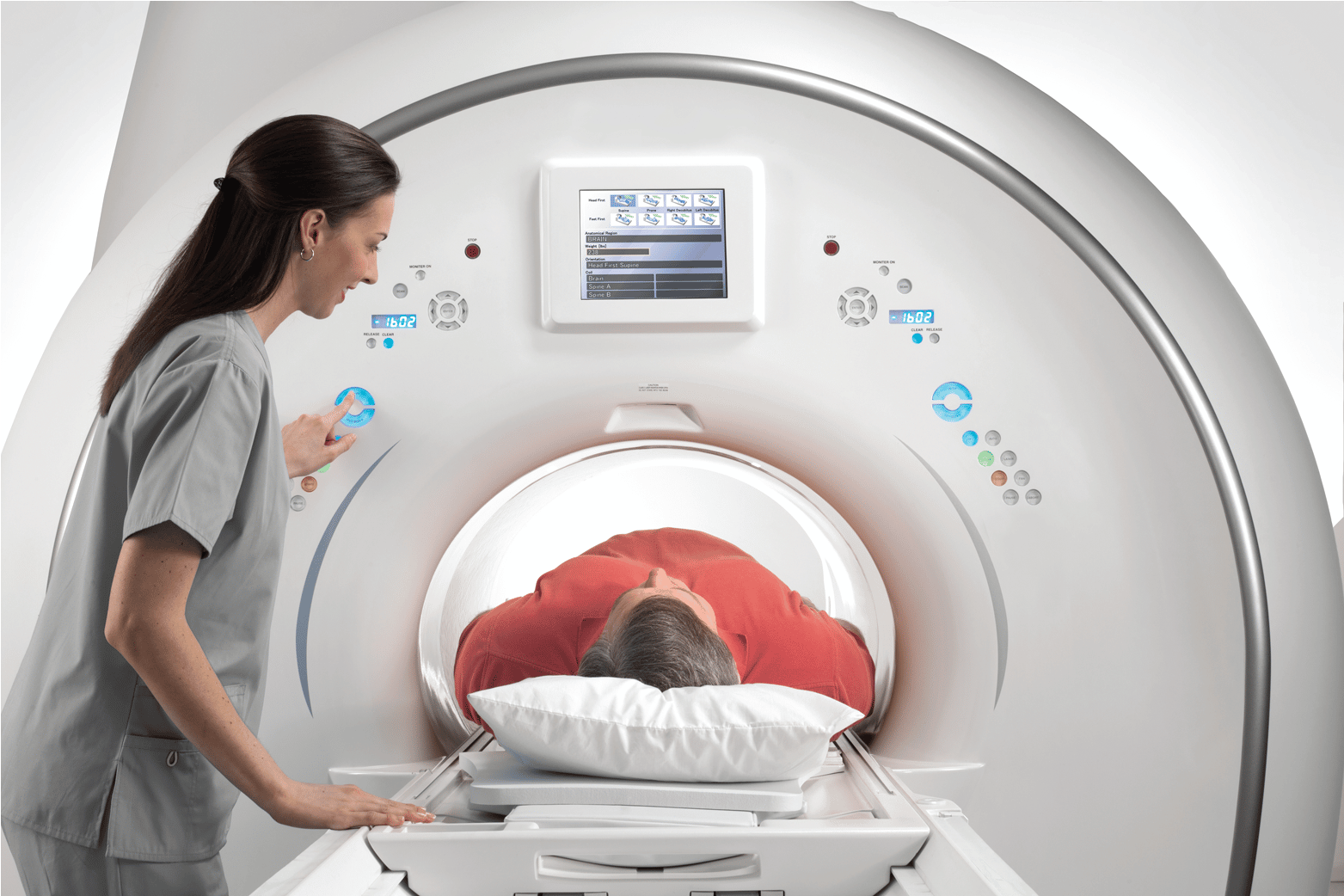
The biggest change is not only technical. It is emotional. A wide-open MRI setup can help reduce the feeling of confinement that many patients associate with older systems. For someone who has been putting off imaging because of anxiety, that can be the difference between postponing care and finally scheduling the exam.
The benefit is simple: when people feel more at ease, they are often better able to stay still, follow instructions, and complete the scan without extra stress. That improves the experience for the patient and supports the overall quality of the exam.
Here are a few reasons this shift is getting attention in 2026:
- More patients are actively asking about comfort before booking.
- Referring providers understand that anxiety can affect follow-through.
- Families want imaging options that feel more approachable.
- A better experience can help remove one of the common barriers to care.
That last point matters a lot. When fear of the machine becomes the reason someone delays an important test, the problem goes beyond convenience. It affects access.
A more realistic alternative for anxious patients
For many people, the phrase open MRI immediately sounds more manageable. It feels less harsh, less closed-in, and easier to picture. That alone can lower anxiety before the appointment even begins.
Of course, every patient is different. Some are mainly concerned about claustrophobia. Others worry about noise, time inside the scanner, or simply not knowing what to expect. A more patient-friendly imaging environment does not erase every concern, but it can reduce the sense of dread that used to come with these exams.
That is why the conversation today is broader than equipment alone. It includes preparation, communication, and reassurance. Patients want someone to explain what will happen, how long it may take, and what they can do to feel more comfortable. They also want to know that feeling nervous is normal.
Clarity without unnecessary confusion
Another reason the patient experience is improving is that people are getting better explanations ahead of time. Instead of showing up unsure about the process, many now receive simple guidance before the appointment. That includes practical details, such as what to wear, whether they need to remove metal items, and what type of exam has been ordered.
For example, some patients may be scheduled for MRI with contrast when their provider needs a more detailed view of certain tissues, blood vessels, or areas of concern. Others may have MRI without contrast because the clinical question can be answered clearly without that additional step. When this is explained in plain language, the exam feels less mysterious and far less intimidating.
Patients do not expect a lecture. They just want clear, honest information. A natural, conversational explanation helps people feel included in the process rather than swept along by it.
Comfort is not a luxury anymore
One of the most important changes in 2026 is the idea that comfort is part of quality care, not something separate from it. That mindset is reshaping how imaging centers think about the patient journey from beginning to end.
A more thoughtful experience can include:
- easier scheduling,
- friendlier check-in,
- better pre-visit instructions,
- more supportive staff communication,
- less intimidating exam settings,
- and clearer next steps after the scan.
None of that sounds flashy, but it matters. People remember how a medical visit made them feel. When an appointment feels smooth and respectful, they are more likely to return when future imaging is needed. They are also more likely to recommend that experience to family and friends.
Why this trend will keep growing
The patient experience has become part of how people evaluate care. In the past, many patients felt they had to accept whatever imaging environment was available. Today, they ask more questions. They compare options. They look for places that combine strong clinical standards with a more human approach.
That is why this shift is not temporary. It reflects what modern patients already expect: care that is accurate, efficient, and easier to navigate emotionally.
From an SEO and content perspective, this topic is especially relevant because it connects with what people are already searching for before they book:
- what the scan feels like,
- whether the machine is enclosed,
- how long the visit lasts,
- whether contrast is needed,
- and what makes newer imaging experiences more comfortable.
These are real concerns, and they deserve real answers in plain English.
The bigger takeaway for patients
The future of imaging is not just about what a machine can capture. It is also about whether a person feels supported enough to actually complete the exam. That is the real shift happening in 2026.
A better imaging visit can ease anxiety, improve trust, and help patients move through the diagnostic process with less hesitation. For people who have delayed care because of fear or uncertainty, that change is deeply meaningful. It turns the appointment from something intimidating into something manageable.
And when that happens, the impact goes beyond the scan itself. It helps people take the next step in their care with more confidence.
Final Thoughts
In 2026, patients are no longer separating medical accuracy from personal comfort. They expect both, and honestly, they should. Imaging works best when people feel informed, respected, and at ease enough to get through the exam without added stress. The centers that understand this are setting a better standard for what care should feel like: clear, calm, and built around real people rather than routines alone.